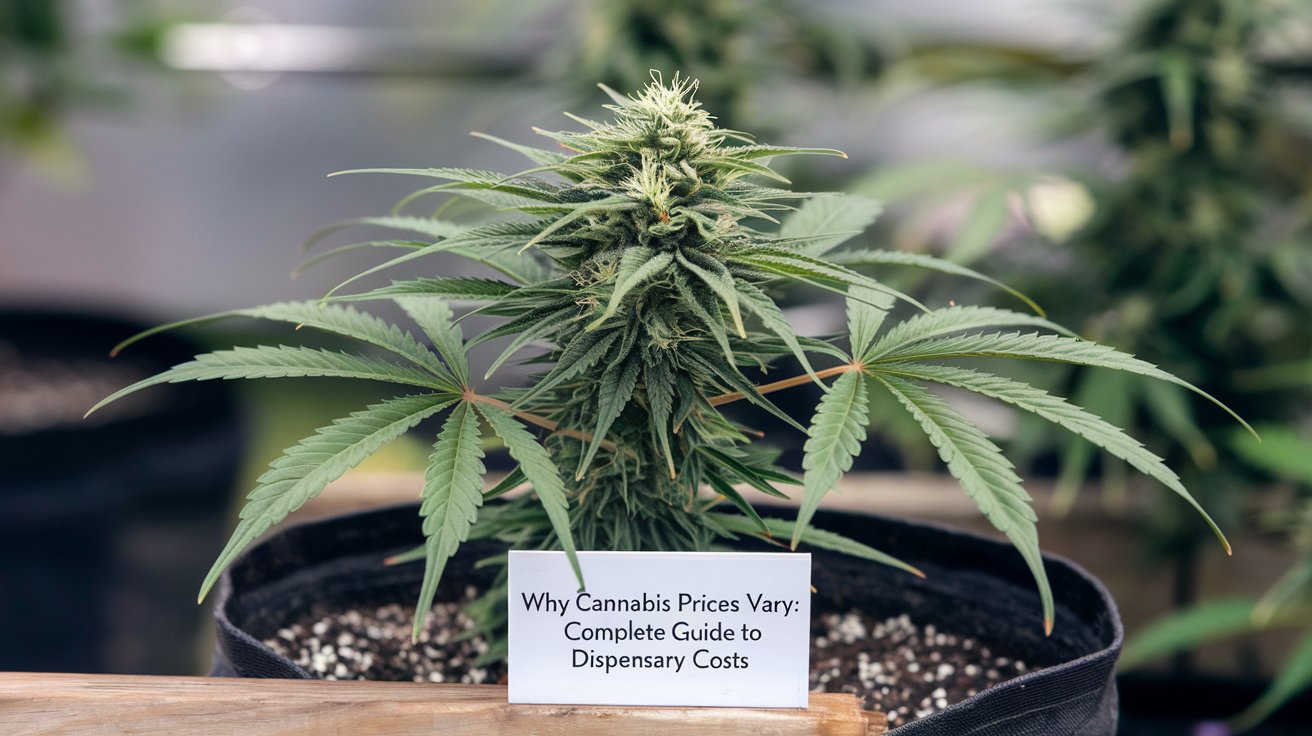
Why Cannabis Prices Vary: Complete Guide to Dispensary Costs
Cannabis prices vary dramatically across the United States due to a complex web of federal regulations, state taxation, operational costs, and market dynamics. Understanding these price variations helps consumers make informed purchasing decisions while navigating the evolving legal cannabis landscape in 2025.
Federal Legal Status Creates Pricing Challenges
The most significant factor affecting cannabis prices remains marijuana’s federal classification as a controlled substance. This creates substantial operational challenges for dispensaries, forcing them to operate under strict banking limitations and payment processing restrictions. Most traditional financial institutions avoid cannabis businesses, leading to cash-heavy operations that increase security costs and operational complexity.
Federal restrictions also prevent interstate commerce, forcing each state to develop isolated supply chains. This lack of economies of scale means dispensaries cannot leverage nationwide distribution networks or bulk purchasing agreements that typically reduce costs in other industries. The result is higher wholesale costs that directly impact retail pricing across all cannabis products.
Banking and Payment Processing Costs
Cannabis businesses face payment processing fees that can reach 5-8% of total transactions, compared to 2-3% for traditional retailers. These elevated costs stem from limited banking relationships and specialized payment processors willing to work with cannabis companies. Many dispensaries must maintain cash reserves and invest heavily in security systems, adding 10-15% to operational overhead costs.
Compliance and Regulatory Overhead
Federal restrictions create complex compliance requirements that vary by state. Dispensaries must invest in sophisticated seed-to-sale tracking systems, extensive security infrastructure, and specialized legal counsel. These compliance costs can represent 15-20% of total operational expenses, directly influencing cannabis prices consumers pay at retail locations.
State Taxation Significantly Impacts Retail Prices
State taxation represents the largest variable factor in cannabis pricing across different markets. California imposes a 15% excise tax plus local taxes that can reach 20%, while Colorado maintains more moderate taxation at 15% state excise tax. These tax structures can increase final retail prices by 25-45% depending on location, making taxation the primary driver of price disparities between states.
Local municipalities add another layer of taxation complexity. Cities like Los Angeles and San Francisco impose additional local taxes ranging from 5-20%, while rural areas may have minimal local taxation. This creates dramatic price variations even within the same state, with urban consumers often paying 30-50% more than rural customers for identical products.
Operational Overhead Drives Base Costs
Cannabis retail operations require significantly higher overhead costs compared to traditional retail businesses. Security requirements mandate 24/7 surveillance systems, armed security personnel, and vault-grade storage facilities. These security measures alone can cost dispensaries $15,000-30,000 monthly, depending on facility size and local requirements.
Specialized staff training and higher wages also contribute to elevated operational costs. Cannabis budtenders require extensive product knowledge and regulatory compliance training, commanding wages 20-30% higher than typical retail positions. Insurance costs for cannabis businesses can be 5-10 times higher than traditional retail, reflecting the industry’s elevated risk profile and limited insurance provider options.
Real Estate and Facility Costs
Cannabis dispensaries face premium real estate costs due to zoning restrictions and landlord hesitancy. Suitable commercial spaces can cost 50-100% more than traditional retail locations, with many landlords requiring substantial security deposits. Facility modifications for security and compliance can require $200,000-500,000 initial investment, costs that must be recovered through retail pricing.
Inventory and Product Acquisition
Cannabis inventory carries unique risks including product degradation, regulatory changes, and supply chain disruptions. Dispensaries must maintain larger safety stocks and accept higher inventory turnover costs. Product acquisition costs vary dramatically based on quality, testing requirements, and seasonal availability, directly affecting retail price stability.
Quality Factors Influence Cannabis Pricing
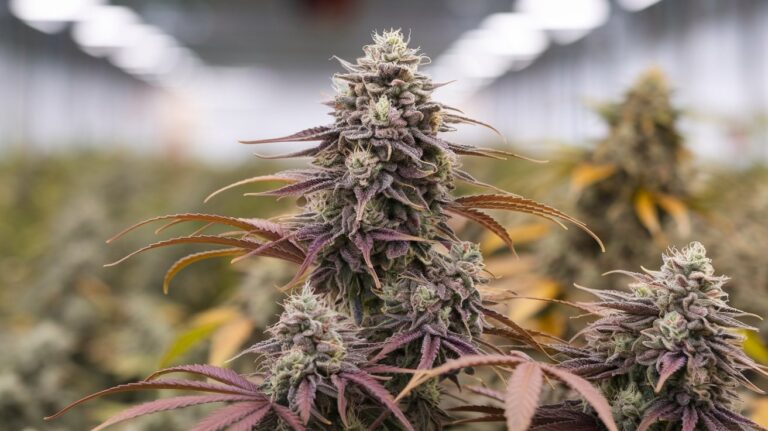
Product quality represents a major driver of cannabis price variation within individual dispensaries. Premium indoor-grown flower commands 40-60% higher prices than outdoor cultivation due to controlled environment advantages and higher potency levels. Laboratory testing requirements ensure product safety but add $100-200 per batch, costs that vary based on testing complexity and required certifications.
Brand reputation and cultivation methods significantly impact pricing structures. Craft cannabis producers using organic methods and small-batch cultivation can charge premium rates 50-100% above mass-market products. These quality variations create diverse price points within single dispensaries, offering options from budget-conscious to luxury consumers seeking premium experiences.
Market Maturity Affects Regional Pricing
Established cannabis markets like Colorado and Washington demonstrate more stable and competitive pricing compared to newer markets. Market maturity brings increased competition, streamlined supply chains, and operational efficiencies that reduce consumer costs. Mature markets typically show 20-30% lower prices than newly legal states still developing infrastructure and regulatory frameworks.
Supply and demand dynamics create seasonal price fluctuations in most markets. Outdoor harvest seasons typically reduce prices 10-20% during fall months, while supply shortages can drive prices up 15-25% during peak demand periods. Market maturity helps stabilize these fluctuations through diversified supply sources and better inventory management systems.
Competition and Market Density
Markets with higher dispensary density show more competitive pricing structures. Areas with multiple dispensaries within close proximity typically offer prices 10-15% lower than monopolistic markets. Competition drives promotional pricing, loyalty programs, and value-added services that benefit consumers through reduced effective costs and enhanced purchasing power.
Supply Chain Development
Mature markets develop sophisticated supply chains connecting cultivators, processors, and retailers more efficiently. These established networks reduce distribution costs and minimize supply disruptions that cause price volatility. Well-developed supply chains can reduce final retail prices by 15-25% compared to markets with limited distribution infrastructure.
Product Types Create Price Variations
Different cannabis product categories exhibit distinct pricing patterns based on processing complexity and market demand. Flower products typically offer the most competitive pricing due to minimal processing requirements, while concentrates and edibles command premium prices reflecting extraction and manufacturing costs. Cannabis prices can vary 200-300% between basic flower and premium concentrate products.
Edible products require specialized manufacturing facilities, consistent dosing protocols, and extended shelf-life testing that increases production costs. These factors make edibles 50-100% more expensive per milligram of THC compared to flower products. Topical and tincture products represent niche markets with even higher price premiums due to specialized formulation requirements and limited competition.
Future Cannabis Pricing Trends
Industry experts predict cannabis prices will continue declining as markets mature and federal restrictions potentially ease. Interstate commerce legalization could reduce prices 20-40% through economies of scale and optimized distribution networks. However, taxation levels and regulatory complexity will continue influencing regional price variations significantly through 2025 and beyond.
Technology adoption including automated cultivation and AI-driven inventory management should reduce operational costs over time. These efficiencies may reduce retail prices by 10-20% in mature markets while improving product consistency and availability. Price stabilization will likely occur as markets mature and regulatory frameworks become more standardized across states.
Related video about why cannabis prices vary
This video complements the article information with a practical visual demonstration.
Key Questions and Answers
Why do dispensaries round up prices?
Dispensaries round up prices primarily due to cash-heavy operations and limited payment processing options. Since many customers pay with cash and exact change can be challenging, rounding to convenient denominations improves transaction efficiency. Additionally, rounding helps dispensaries maintain consistent profit margins while covering high operational costs including taxation, security, and compliance expenses.
How much is $30 worth of buds?
Thirty dollars typically purchases 2-4 grams of cannabis flower, depending on quality and market location. In mature markets like Colorado, $30 might buy 3-4 grams of mid-grade flower, while expensive markets like New York or Illinois might only yield 1.5-2 grams. Premium indoor flower reduces quantities further, while outdoor or lower-grade options increase the amount purchasable.
How much is $20 worth of buds?
Twenty dollars generally purchases 1-3 grams of cannabis flower depending on market conditions and product quality. Budget-conscious consumers in competitive markets might find 2-3 grams of outdoor-grown flower, while premium markets or high-quality indoor products might only provide 1-1.5 grams. Promotional pricing and bulk discounts can increase these quantities significantly.
What factors most influence cannabis price differences between states?
State taxation rates create the largest price differences, with total tax burdens ranging from 15-45% across different markets. Market maturity, competition levels, and regulatory complexity also significantly impact pricing. Supply chain development, cultivation regulations, and local zoning restrictions contribute to interstate price variations of 50-100% for identical products.
Are cannabis prices expected to decrease in the future?
Cannabis prices are expected to decline 20-30% over the next 3-5 years as markets mature and operational efficiencies improve. Federal banking reform and potential interstate commerce legalization could accelerate price reductions. However, taxation levels and continued regulatory complexity will prevent dramatic price drops in most markets through 2025.
How do quality differences affect cannabis pricing?
Quality differences create price variations of 100-200% within individual dispensaries. Premium indoor cultivation commands 40-60% higher prices than outdoor flower, while craft and organic products can cost 50-100% more than mass-market options. Laboratory testing, cultivation methods, and brand reputation significantly influence quality-based pricing tiers.
| Price Factor | Impact Level | Consumer Benefit |
|---|---|---|
| State Taxation | 25-45% price increase | Regulated market safety |
| Market Competition | 10-15% price reduction | Lower costs and better service |
| Product Quality | 40-100% premium | Consistent potency and purity |
| Federal Restrictions | 15-25% operational cost | Compliance and safety standards |