Cannabis Pricing Factors Explained: 2025 Complete Guide
Understanding cannabis pricing factors is essential for consumers navigating the evolving marijuana market in 2025. From legal state taxes to product quality and market competition, multiple variables determine what you pay for cannabis. This comprehensive guide breaks down the primary elements influencing weed prices across the United States, helping you make informed purchasing decisions and understand regional price variations.
Primary Factors Affecting Cannabis Prices in 2025
The cannabis pricing landscape in 2025 reflects a complex interplay of regulatory, economic, and market factors. Legal marijuana markets have matured significantly, creating more predictable pricing patterns while maintaining regional variations. The most significant factors include state and local taxation policies, cultivation costs, product quality standards, and supply-demand dynamics within each jurisdiction.
Market maturation has led to increased competition among dispensaries and producers, generally driving prices down from the early days of legalization. However, premium cannabis products continue to command higher prices, reflecting consumer willingness to pay for quality, potency, and specialized cultivation methods. Understanding these factors helps consumers navigate the diverse pricing structures across different states and product categories.
State and Local Tax Impact
Cannabis taxation represents the most significant factor in retail marijuana pricing, with combined state and local taxes ranging from 15% to 45% across legal states. California leads with the highest total tax burden, often exceeding 40% when including state excise taxes, cultivation taxes, local business taxes, and standard sales tax. Colorado and Washington maintain more moderate tax structures, contributing to their competitive pricing advantages.
Quality and Potency Standards
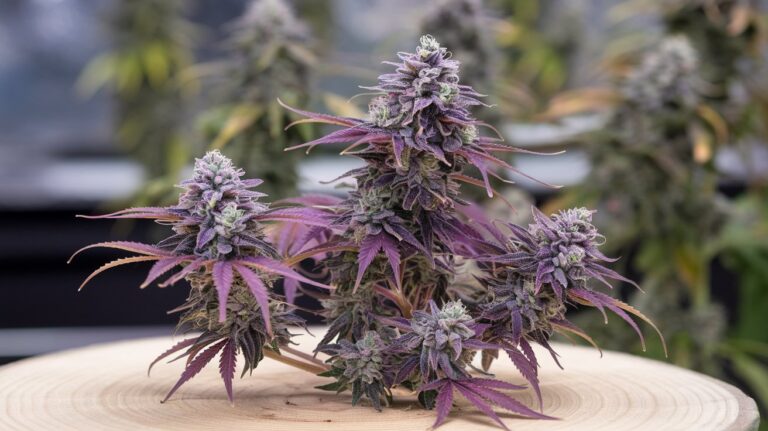
Product quality significantly influences cannabis market pricing, with premium flower commanding 30-50% higher prices than mid-grade options. Testing requirements for pesticides, heavy metals, and cannabinoid profiles add to production costs but ensure consumer safety. High-THC strains and organically grown cannabis typically retail for $12-18 per gram, while standard products range from $8-14 per gram in most markets.
Regional Price Variations Across Legal States
Geographic location plays a crucial role in determining cannabis pricing factors, with significant variations between states and even within state boundaries. Oregon consistently offers the lowest prices nationally, with average flower prices around $7-10 per gram, due to oversupply conditions and relatively low tax rates. In contrast, states like Illinois and New Jersey maintain higher price points, often $15-20 per gram, reflecting limited license availability and higher operational costs.
Urban versus rural pricing also creates substantial differences within states. Metropolitan areas typically offer more competitive pricing due to higher dispensary density and competition, while rural regions may experience elevated cannabis costs due to limited access and higher transportation expenses. California’s market exemplifies this pattern, with Los Angeles and San Francisco offering significantly lower prices than remote Northern California communities.
Supply and Demand Dynamics
Market supply conditions directly impact wholesale cannabis pricing, creating ripple effects throughout the retail chain. States with mature cultivation programs often experience oversupply, driving down wholesale prices and creating consumer savings. Oregon’s market exemplifies this trend, where abundant outdoor cultivation has created some of the nation’s most affordable cannabis prices, with wholesale flower sometimes trading below $500 per pound.
License Scarcity and Market Competition
Limited license availability in many states restricts competition and maintains higher cannabis retail prices. New Jersey and Illinois demonstrate this dynamic, where restricted licensing programs have resulted in limited dispensary networks and elevated pricing. Conversely, states with more open licensing frameworks, such as Colorado and Oregon, have fostered competitive markets with more consumer-friendly pricing structures.
Product Type and Form Factor Pricing
Different cannabis product categories exhibit distinct pricing patterns based on processing complexity, consumer demand, and profit margins. Cannabis flower pricing typically offers the best value per milligram of THC, while concentrates and edibles command premium pricing due to extraction and processing costs. Flower products generally range from $8-18 per gram, concentrates from $25-60 per gram, and edibles from $0.10-0.30 per milligram of THC.
Premium product categories, including live resin, rosin, and craft flower, maintain significantly higher price points reflecting specialized production methods and limited availability. These artisanal cannabis products often retail for 50-100% above standard pricing, appealing to consumers prioritizing quality and unique experiences over value pricing.
Flower vs Concentrate Pricing
Traditional flower maintains the most accessible cannabis pricing structure, offering consumers the highest quantity for their investment. Premium indoor flower typically ranges from $12-18 per gram, while greenhouse and outdoor options provide value pricing at $8-14 per gram. Concentrates offer higher potency but at significantly elevated per-gram pricing, with live resin and rosin commanding $40-60 per gram in most markets.
Edible and Beverage Market Pricing
Cannabis edibles present unique pricing considerations based on dosage, ingredients, and brand positioning. Standard gummies and chocolates typically retail for $15-25 per 100mg package, translating to approximately $0.15-0.25 per milligram of THC. Premium beverage products often exceed $0.30 per milligram due to complex formulation and packaging requirements, though they offer faster onset times and precise dosing control.
Seasonal and Market Timing Factors
Cannabis markets experience predictable seasonal fluctuations affecting wholesale and retail pricing. Outdoor harvest seasons, typically occurring in October and November, create temporary oversupply conditions that drive down prices through the winter months. Indoor cultivation provides more consistent year-round production, but outdoor crops can significantly impact market pricing during harvest periods.
Holiday periods and special events also influence cannabis demand patterns, with 4/20 celebrations, harvest festivals, and year-end holidays creating temporary price increases due to elevated consumer demand. Dispensaries often respond with promotional pricing and bulk discounts to maintain sales velocity during slower periods.
Bulk Purchase and Volume Pricing Advantages
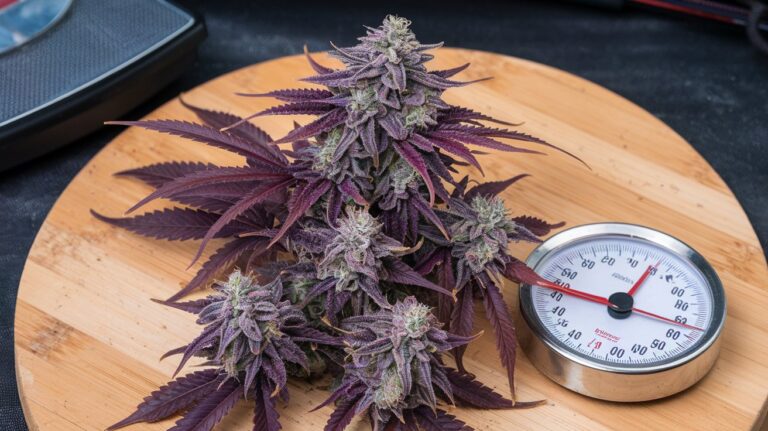
Cannabis retailers typically offer tiered pricing structures rewarding larger purchases, with bulk cannabis discounts ranging from 10-25% off retail prices. Most dispensaries provide automatic discounts at quarter-ounce, half-ounce, and full-ounce purchase levels, making larger quantities more economical for regular consumers. These volume discounts help offset the higher per-unit costs associated with smaller purchases.
Member programs and loyalty systems further enhance cannabis value proposition for frequent customers, often providing additional 5-15% discounts on top of volume pricing. Some dispensaries offer subscription services or pre-order programs that guarantee pricing and availability while providing additional savings opportunities for committed customers.
Quarter Ounce Pricing (7 Grams)
Quarter-ounce purchases typically provide the first significant volume discount tier, with prices ranging from $50-90 depending on quality and location. Premium indoor flower quarters often retail for $70-90, while outdoor and greenhouse options provide value pricing at $50-70. This purchase size offers meaningful savings over individual gram purchases while remaining accessible to most consumers.
Half Ounce and Ounce Pricing Benefits
Half-ounce and full-ounce purchases provide maximum cannabis value pricing, with per-gram costs often 20-30% below individual gram pricing. Full ounces of quality flower typically range from $180-320, representing significant savings for regular consumers. These larger purchases also provide variety options, allowing customers to split quantities among multiple strains while maintaining bulk pricing advantages.
Brand and Cultivation Method Premiums
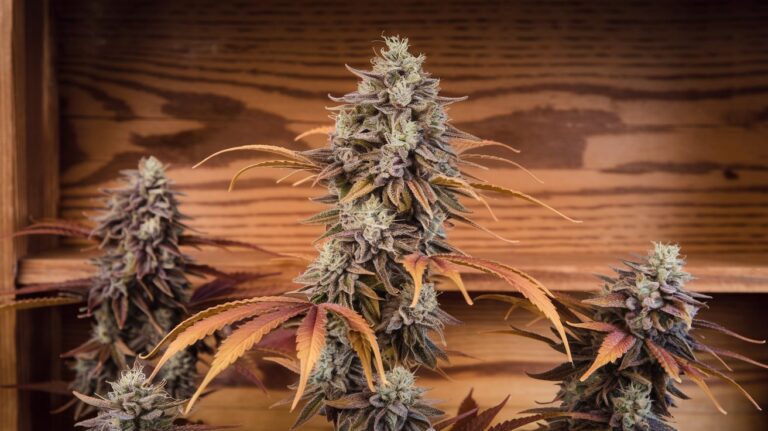
Brand recognition and cultivation methodology create substantial cannabis price differentiation within markets. Established brands with consistent quality and marketing presence often command 20-40% premiums over generic or house brand products. Organic certification, sun-grown claims, and artisanal cultivation methods further justify elevated pricing for consumers prioritizing production values over pure value.
Small-batch and craft cannabis producers target premium market segments with specialized genetics, unique growing techniques, and limited availability positioning. These boutique cannabis products often retail for $15-25 per gram, appealing to connoisseurs willing to pay premium prices for exceptional quality and unique experiences.
Economic and Regulatory Future Outlook
Cannabis pricing trends indicate continued market maturation and price stabilization as more states implement legalization programs. Federal legalization prospects could dramatically reshape pricing structures by eliminating interstate commerce barriers and enabling large-scale agricultural production. Banking normalization and reduced regulatory compliance costs may also contribute to long-term price reductions.
Emerging market dynamics, including corporate consolidation and technological advances in cultivation and processing, will likely influence future cannabis pricing models. However, premium segments focusing on quality, sustainability, and unique consumer experiences are expected to maintain pricing power even as commodity cannabis prices decline through increased competition and efficiency gains.
Related video about cannabis pricing factors explained
This video complements the article information with a practical visual demonstration.
Your questions answered
What are the main factors that determine cannabis prices in 2025?
The primary cannabis pricing factors include state and local taxes (15-45% of retail price), product quality and potency levels, geographic location and market competition, cultivation methods (indoor vs outdoor), and supply-demand dynamics. Tax burden represents the single largest factor, with California and Illinois maintaining the highest total tax rates.
How much does a quarter ounce of cannabis cost in legal states?
Quarter ounce (7 grams) pricing ranges from $50-90 across legal states in 2025. Oregon offers the lowest prices at $40-60, while states like Illinois and New Jersey see prices of $70-90. Premium indoor flower typically costs $70-90 per quarter, while outdoor options range from $50-70.
Why do cannabis prices vary so much between states?
State-to-state price variations result from different tax structures, licensing restrictions, supply levels, and market maturity. Oregon’s oversupply creates low prices around $7-10 per gram, while limited-license states like Illinois maintain prices of $15-20 per gram. Local taxes, cultivation costs, and competition levels also contribute to regional differences.
Are bulk cannabis purchases worth the investment?
Bulk purchases provide significant savings, with quarter-ounce, half-ounce, and full-ounce tiers offering 10-25% discounts over individual gram pricing. Full ounces typically cost $180-320, providing 20-30% savings per gram. However, consider consumption rates and product freshness when making larger purchases.
How do premium and craft cannabis products justify higher prices?
Premium cannabis products command 30-100% price premiums through superior genetics, organic cultivation methods, small-batch production, and consistent quality standards. Craft growers focus on unique strains, specialized growing techniques, and limited availability, appealing to consumers prioritizing quality over value pricing.
Will cannabis prices continue to decrease in the future?
Market maturation and increased competition are driving gradual price decreases in established markets, with wholesale prices declining 10-20% annually in oversupplied states. However, premium segments maintain pricing power, and tax policies significantly impact retail prices. Federal legalization could accelerate price reductions through interstate commerce and agricultural scaling.
| Pricing Factor | Impact Level | Consumer Benefit |
|---|---|---|
| State/Local Taxes | 15-45% of retail price | Choose lower-tax states for savings |
| Volume Purchases | 10-25% bulk discounts | Significant per-gram cost reduction |
| Product Quality | 30-50% premium pricing | Superior potency and experience |
| Market Competition | 20-40% price variation | Lower prices in competitive markets |