What is CBD Oil? Complete Guide to Benefits & Uses 2025
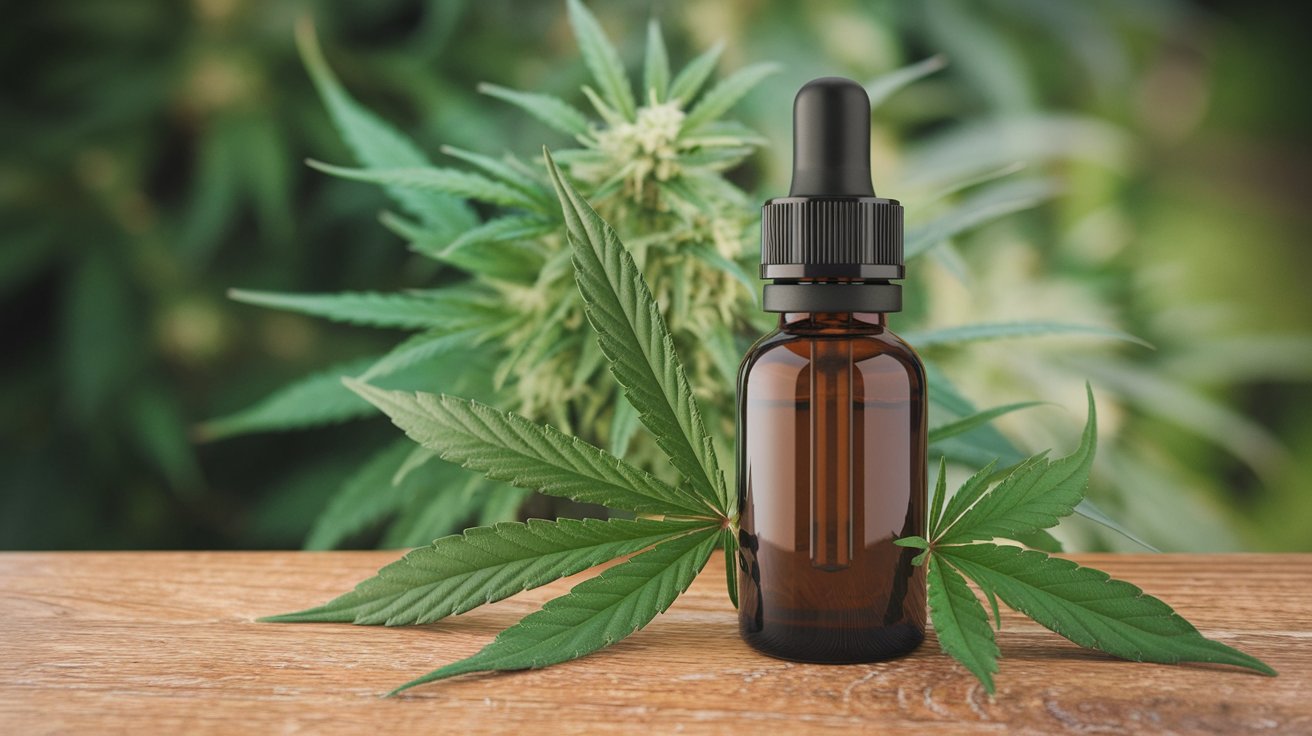
CBD oil is a natural extract derived from the Cannabis sativa plant containing cannabidiol, a non-psychoactive compound that has gained significant attention for its potential therapeutic benefits. Unlike THC, CBD oil does not produce a high and is legal in most US states when derived from hemp plants containing less than 0.3% THC.
What Does CBD Stand For and How Is It Made
CBD stands for cannabidiol, one of over 100 chemical compounds called cannabinoids found in the cannabis plant. The extraction process involves using CO2, ethanol, or other solvents to separate CBD from the plant material, resulting in a concentrated oil. CBD oil typically contains CBD extract mixed with a carrier oil like hemp seed oil, coconut oil, or olive oil to improve absorption and bioavailability.
The manufacturing process must comply with FDA regulations, and reputable companies provide third-party lab testing certificates to verify purity and potency. CBD oil benefits are maximized when products are made using organic hemp grown without pesticides or heavy metals, ensuring the final product meets quality standards for consumer safety.
Main Uses of CBD Oil in 2025
The main use of CBD oil centers around managing various health conditions, with pain relief being the most common application. According to 2024 consumer surveys, 64% of Americans use CBD oil primarily for chronic pain management, while 37% use it for anxiety relief. CBD oil interacts with the body’s endocannabinoid system, which regulates pain, mood, sleep, and immune function.
Pain Management and Inflammation
CBD oil benefits for pain management include reducing inflammation and modulating pain signals in the nervous system. Clinical studies show that CBD oil can effectively manage arthritis pain, neuropathic pain, and muscle soreness. The anti-inflammatory properties make it particularly useful for conditions like rheumatoid arthritis and fibromyalgia.
Anxiety and Mental Health Support
Research indicates that CBD oil may help reduce anxiety symptoms by affecting serotonin receptors in the brain. A 2024 study found that 300-600mg doses of CBD oil significantly reduced anxiety levels in participants with generalized anxiety disorder. The calming effects make it a popular natural alternative to prescription anxiety medications.
10 Benefits of CBD Oil Backed by Science
Scientific research has identified numerous benefits of CBD oil that extend beyond basic pain relief. These benefits are supported by clinical trials and peer-reviewed studies conducted between 2020-2024, providing evidence for CBD oil’s therapeutic potential across multiple health conditions.
Sleep Quality Improvement
CBD oil may improve sleep onset and quality by addressing underlying causes of insomnia such as anxiety and pain. Studies show that 25-175mg doses taken before bedtime can increase total sleep time and reduce sleep disturbances. The sedative effects are dose-dependent, with higher doses producing more pronounced sleep benefits.
Heart Health and Blood Pressure
Emerging research suggests CBD oil benefits may extend to cardiovascular health, with studies indicating potential blood pressure reduction and improved heart function. A 2023 clinical trial found that CBD oil reduced resting blood pressure and stress-induced blood pressure increases in healthy volunteers, though more research is needed for conclusive evidence.
Benefits of CBD Oil Under Tongue Administration
Sublingual administration, or benefits of CBD oil under tongue placement, offers superior bioavailability compared to oral consumption. When held under the tongue for 60-90 seconds, CBD oil bypasses the digestive system and enters the bloodstream directly through mucous membranes. This method increases absorption rates by 35-55% and produces effects within 15-30 minutes.
The sublingual method is particularly effective for acute symptoms like anxiety attacks or sudden pain flares. CBD oil users report faster onset times and more predictable effects when using the under-tongue method compared to swallowing capsules or mixing with food.
Does CBD Make You High – Understanding the Difference
A common question is does CBD make you high, and the answer is definitively no. CBD is non-psychoactive and does not produce the euphoric effects associated with marijuana use. The psychoactive compound responsible for the high is THC (tetrahydrocannabinol), which is present in minimal amounts in legal CBD products.
Federal law requires CBD oil derived from hemp to contain less than 0.3% THC, ensuring no intoxicating effects. Users can take CBD oil during the day without impairment to cognitive function or motor skills, making it suitable for professional and personal activities.
Is CBD a Drug – Legal Status and Regulation
The question is CBD a drug has a nuanced answer depending on context and source. The FDA considers CBD a drug when marketed for therapeutic purposes, but hemp-derived CBD products with less than 0.3% THC are federally legal under the 2018 Farm Bill. However, the FDA has not approved CBD as a dietary supplement.
FDA Approved vs Over-the-Counter CBD
The only FDA-approved CBD oil medication is Epidiolex, prescribed for specific epilepsy conditions. Over-the-counter CBD products are not FDA-approved but are legal to sell and purchase. Consumers should choose products from reputable manufacturers that provide third-party lab testing results.
State-by-State Legal Variations
While federally legal, individual states may have specific regulations regarding CBD oil sales and possession. As of 2024, all 50 states allow some form of CBD use, though restrictions on THC content, licensing, and sales venues vary. Some states require age restrictions or medical prescriptions for certain CBD products.
Side Effects of CBD Oil and Safety Considerations
While generally well-tolerated, side effects of CBD oil can include drowsiness, dry mouth, diarrhea, and changes in appetite or weight. These effects are typically mild and dose-dependent, occurring more frequently with higher doses above 300mg daily. Most users experience no adverse effects when starting with low doses.
CBD oil can interact with certain medications, particularly blood thinners and seizure medications. The compound affects liver enzymes responsible for drug metabolism, potentially altering medication levels in the bloodstream. Consultation with healthcare providers is recommended before combining CBD oil with prescription medications.
Who Should Avoid Taking CBD Oil
Certain individuals should avoid taking CBD or use it only under medical supervision. Pregnant and breastfeeding women should avoid CBD oil due to insufficient safety data. People with liver disease may need dose adjustments, as CBD is metabolized in the liver and could worsen hepatic conditions.
Children should only use CBD oil under pediatric medical supervision, and individuals with low blood pressure should monitor their levels closely as CBD may cause further reduction. Those scheduled for surgery should discontinue CBD oil at least two weeks prior to avoid potential interactions with anesthesia.
CBD Gummies vs CBD Oil – Choosing the Right Format
CBD gummies offer a convenient, pre-measured alternative to traditional CBD oil, with each gummy containing a specific dose typically ranging from 10-25mg. While gummies provide consistent dosing and better taste, they have lower bioavailability due to first-pass metabolism in the liver, reducing overall absorption by 40-60% compared to sublingual oil.
Traditional CBD oil allows for precise dose titration and faster onset when used sublingually, making it preferable for users who need flexible dosing or quick effects. Gummies are ideal for beginners or those who dislike the taste of CBD oil, though effects may take 1-2 hours to manifest.
Related video about what is CBD oil
This video complements the article information with a practical visual demonstration.
Frequently Asked Questions
What is the main use of CBD oil?
The main use of CBD oil is pain management and inflammation reduction. According to 2024 surveys, 64% of users primarily take CBD oil for chronic pain relief, while 37% use it for anxiety management. Other common uses include sleep improvement and general wellness support.
Is CBD oil considered a drug?
CBD oil has a dual classification – the FDA considers it a drug when marketed for therapeutic purposes, but hemp-derived CBD with less than 0.3% THC is federally legal as a supplement. Only Epidiolex is FDA-approved as a prescription CBD medication for epilepsy treatment.
What are the side effects of CBD oil?
Common side effects include drowsiness, dry mouth, diarrhea, and appetite changes. These effects are typically mild and dose-dependent, occurring more frequently with doses above 300mg daily. CBD can also interact with certain medications, particularly blood thinners and seizure medications.
Who should avoid taking CBD?
Pregnant and breastfeeding women should avoid CBD due to insufficient safety data. People with liver disease, children without medical supervision, those with low blood pressure, and individuals taking blood thinners should exercise caution or avoid CBD oil entirely.
Does CBD make you high?
No, CBD oil does not make you high. CBD is non-psychoactive and contains less than 0.3% THC by federal law. THC is the compound responsible for psychoactive effects, while CBD provides therapeutic benefits without intoxication or cognitive impairment.
What does CBD stand for?
CBD stands for cannabidiol, which is one of over 100 cannabinoids found in the cannabis plant. It’s a non-psychoactive compound that interacts with the body’s endocannabinoid system to potentially provide various therapeutic benefits without causing a high.
| Key Aspect | Important Details | Benefit |
|---|---|---|
| Legal Status | Federally legal when <0.3% THC | Safe, accessible wellness option |
| Main Uses | Pain relief (64%), anxiety (37%) | Natural symptom management |
| Administration | Sublingual offers 35-55% better absorption | Faster onset, better bioavailability |
| Side Effects | Mild: drowsiness, dry mouth | Generally well-tolerated |
| Dosage Range | 25-300mg daily for most conditions | Flexible, personalized treatment |