What Does a Cannabis Budtender Do? Complete Career Guide 2025
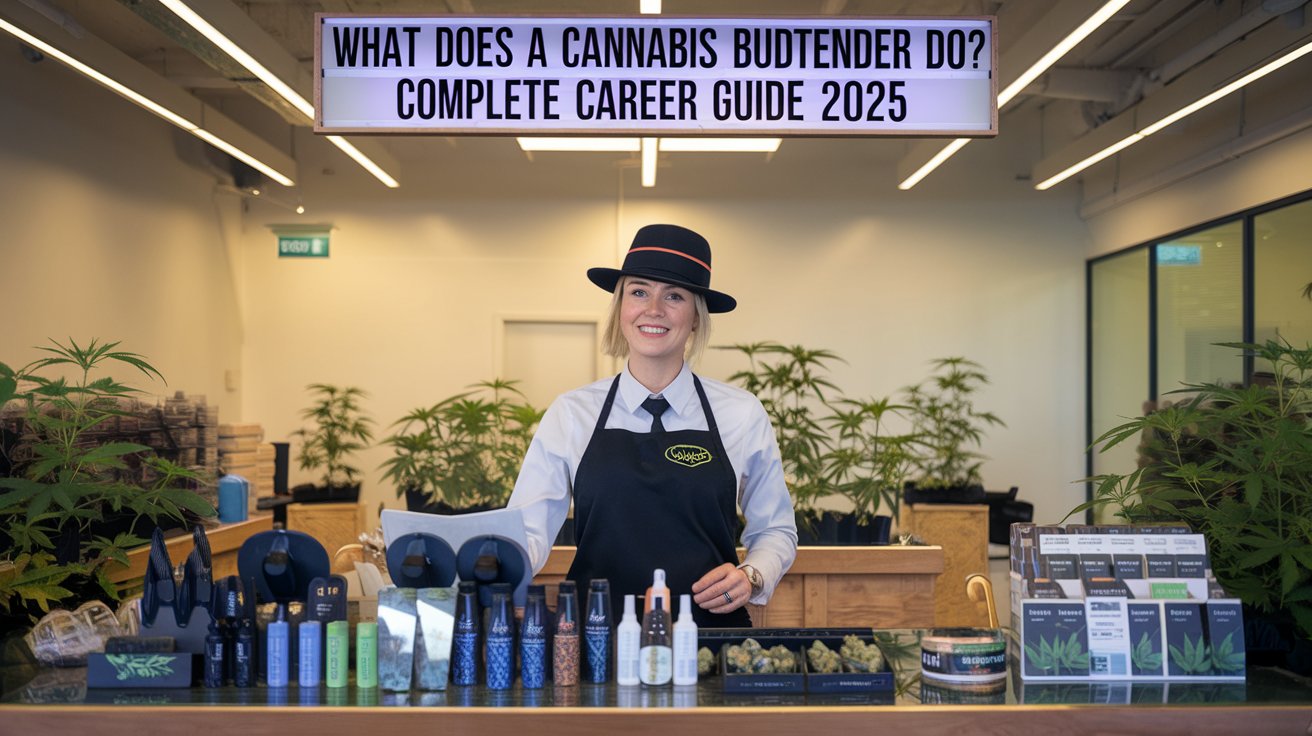
A cannabis budtender serves as the frontline expert in dispensaries, helping customers navigate product selections while ensuring compliance with state regulations. These cannabis professionals combine product knowledge, customer service skills, and regulatory awareness to create safe, educational shopping experiences. As the cannabis industry continues expanding across the United States, budtender jobs have become increasingly important roles that require specialized training and certification.
Primary Responsibilities of a Cannabis Budtender
Cannabis budtenders perform multiple critical functions that ensure dispensary operations run smoothly while providing exceptional customer service. Their primary responsibility involves educating customers about various cannabis products, including flower, concentrates, edibles, and topicals. This education extends beyond simple product descriptions to include dosage recommendations, consumption methods, and potential effects based on individual customer needs and tolerance levels.
Budtender job description typically includes inventory management, product organization, and maintaining detailed records for regulatory compliance. They must verify customer identification, ensure all transactions meet state legal requirements, and maintain accurate point-of-sale records. Additionally, budtenders handle cash transactions, process credit card payments where permitted, and manage customer loyalty programs to enhance repeat business and customer satisfaction.
Customer Education and Product Guidance
Effective budtender training emphasizes the importance of listening to customer needs and providing personalized product recommendations. Budtenders must understand terpene profiles, cannabinoid ratios, and how different strains affect various medical conditions or recreational preferences. This knowledge enables them to guide first-time users toward appropriate products while helping experienced consumers explore new options that align with their specific goals and consumption preferences.
Regulatory Compliance and Safety Protocols
Every budtender must maintain strict adherence to state cannabis regulations, which vary significantly across different jurisdictions. This includes verifying customer age and identification, tracking inventory through seed-to-sale systems, and ensuring all products remain within legal possession limits. Budtenders also implement safety protocols for handling cannabis products, maintaining sterile environments, and preventing contamination during product displays and customer interactions.
Essential Skills and Qualifications for Budtender Success
Successful budtender skills encompass both technical knowledge and interpersonal abilities that create positive customer experiences. Strong communication skills enable budtenders to explain complex cannabis science in accessible terms while building rapport with diverse customer demographics. Problem-solving abilities help budtenders address customer concerns, resolve transaction issues, and adapt recommendations based on changing inventory or customer feedback throughout their interactions.
Most employers require budtender certification or completion of specialized training programs that cover cannabis botany, product knowledge, and local regulations. These programs typically include modules on customer service excellence, inventory management systems, and conflict resolution techniques. Additionally, budtenders must demonstrate reliability, attention to detail, and the ability to work efficiently in fast-paced retail environments while maintaining accuracy in all transactions and record-keeping requirements.
Technical Knowledge Requirements
Modern budtender training programs emphasize understanding cannabis genetics, cultivation methods, and extraction processes that produce various product types. Budtenders must recognize quality indicators in flower products, understand potency testing results, and explain how different consumption methods affect onset times and duration of effects. This technical foundation enables them to provide accurate information that helps customers make informed purchasing decisions.
Customer Service and Sales Skills
Working as a budtender requires exceptional interpersonal skills to create welcoming environments for customers who may feel uncertain or intimidated by cannabis products. Effective budtenders demonstrate patience, empathy, and cultural sensitivity while maintaining professional boundaries. They must also possess sales acumen to recommend complementary products, increase transaction values, and build lasting customer relationships that contribute to dispensary success.
Cannabis Budtender Salary and Compensation Structure
Budtender salary ranges vary significantly based on location, experience level, and dispensary size, with entry-level positions typically starting between $15-18 per hour in most United States markets. Experienced budtenders in high-volume dispensaries or premium markets can earn $20-25 per hour, while senior budtenders or those with management responsibilities may command $25-35 per hour. These base wages often supplement with performance bonuses, commission structures, and comprehensive benefits packages that include health insurance and employee product discounts.
Many budtenders receive additional compensation through tips from satisfied customers, particularly in markets where tipping culture extends to cannabis retail environments. Customer tips can add $50-200 per week to total earnings, depending on dispensary location, customer volume, and individual service quality. Some dispensaries implement profit-sharing programs or quarterly bonuses based on sales performance, customer satisfaction scores, and inventory management accuracy that can significantly increase annual compensation.
Career Advancement Opportunities in Cannabis Retail
The expanding cannabis industry offers numerous advancement paths for experienced budtenders who demonstrate leadership potential and comprehensive product knowledge. Many budtenders progress to shift supervisor roles, assistant manager positions, or specialized roles such as inventory coordinators, compliance specialists, or customer experience managers. These advancement opportunities typically include salary increases of $5-10 per hour and additional responsibilities that prepare individuals for senior management roles within cannabis operations.
Entrepreneurial-minded budtenders often leverage their industry experience to launch cannabis consulting businesses, product development companies, or their own retail operations in newly legalized markets. The comprehensive understanding of customer preferences, regulatory requirements, and operational challenges gained through budtender jobs provides valuable foundation knowledge for various cannabis industry entrepreneurship opportunities that continue emerging across different market segments.
Management and Leadership Roles
Experienced budtenders frequently transition into dispensary management positions where they oversee daily operations, staff scheduling, and customer service standards. These roles require advanced budtender skills plus additional training in business operations, team leadership, and financial management. Management positions typically offer salaries ranging from $45,000-70,000 annually, depending on dispensary size and market conditions.
Specialized Cannabis Industry Positions
Many budtenders pursue specialized certifications to qualify for roles in cannabis testing laboratories, cultivation facilities, or product manufacturing companies. These positions leverage the customer insight and product knowledge gained through dispensary work while offering different career trajectories focused on technical aspects of cannabis production, quality control, or regulatory compliance across various industry segments.
Daily Work Environment and Challenges
Working in cannabis retail environments presents unique challenges that distinguish budtender roles from traditional retail positions. The regulatory complexity of cannabis sales requires constant attention to legal compliance, detailed record-keeping, and adherence to strict security protocols that govern product handling, customer verification, and transaction processing. Additionally, budtenders must navigate the social stigma that still surrounds cannabis use in many communities while maintaining professionalism and educational focus.
The hardest aspects of budtender work often involve managing difficult customers, dealing with product shortages during high-demand periods, and staying current with rapidly changing regulations across different jurisdictions. Budtenders must also handle the physical demands of standing for extended periods, processing high transaction volumes during peak hours, and maintaining detailed product knowledge across hundreds of different cannabis varieties, concentrates, and infused products that dispensaries typically stock.
Training and Certification Requirements
Most states require budtender certification through approved training programs that cover cannabis laws, product knowledge, customer service standards, and safety protocols specific to each jurisdiction. These certification programs typically cost $100-500 and require 8-40 hours of coursework, depending on state requirements and training provider comprehensiveness. Some employers offer free budtender certification as part of their onboarding process, while others reimburse training costs after successful completion of probationary employment periods.
Ongoing education remains essential for budtender success as the cannabis industry continues evolving with new products, regulations, and research findings. Many professionals pursue advanced certifications in cannabis science, terpene analysis, or specialized product categories to enhance their expertise and career advancement potential. Industry associations offer continuing education programs that help budtenders maintain current knowledge and develop specialized skills that increase their value to employers and customers.
State-Specific Licensing Requirements
Each state with legal cannabis maintains different budtender certification requirements that typically include background checks, residency verification, and completion of approved training programs. Some states require annual license renewals with continuing education credits, while others offer multi-year certifications. Prospective budtenders must research their specific state requirements and budget accordingly for initial certification costs and ongoing compliance expenses.
Industry Training Programs and Resources
Numerous online and in-person budtender training programs provide comprehensive education covering cannabis botany, pharmacology, customer service excellence, and regulatory compliance. Leading training providers include Trichome Institute, Cannabis Training University, and Green Flower Media, which offer both basic certification and advanced specialization courses. Many programs include job placement assistance and networking opportunities that help graduates find budtender jobs near me in their local markets.
Finding Budtender Employment Opportunities
The search for budtender jobs near me requires strategic approaches that leverage both traditional job search methods and cannabis industry-specific resources. Popular job boards like Indeed, Glassdoor, and ZipRecruiter feature numerous budtender positions, while specialized cannabis job sites such as HempStaff, Vangst, and CannaRecruiter focus exclusively on cannabis industry opportunities. Networking within local cannabis communities, attending industry events, and building relationships with dispensary managers often leads to employment opportunities before positions become publicly advertised.
When applying for budtender jobs, candidates should emphasize relevant customer service experience, demonstrated interest in cannabis education, and any previous retail or sales background. Creating a professional budtender job description for resume requires highlighting transferable skills from previous positions while demonstrating knowledge of cannabis products and regulations. Many successful candidates begin as part-time employees or seasonal workers during peak periods, then transition to full-time positions as they prove their reliability and develop expertise.
Related video about what cannabis budtender does
This video complements the article information with a practical visual demonstration.
FAQ – Common Questions
What does a budtender do at a dispensary?
A budtender serves customers at cannabis dispensaries by providing product education, making personalized recommendations, processing transactions, and ensuring regulatory compliance. They help customers understand different cannabis products, explain effects and dosages, verify identification, and maintain accurate inventory records while creating positive shopping experiences.
What is the hardest part of being a budtender?
The hardest aspects include staying current with rapidly changing cannabis regulations, managing difficult or impatient customers, dealing with product shortages during peak demand, and maintaining detailed knowledge of hundreds of different products. Budtenders must also handle the physical demands of standing for long periods and processing high transaction volumes.
How much do you make in tips working at a dispensary?
Budtender tips typically range from $50-200 per week, depending on dispensary location, customer volume, and service quality. High-traffic dispensaries in tourist areas or premium markets generally generate higher tip amounts, while some dispensaries implement tip pooling systems that distribute gratuities among all staff members.
What’s it like working as a budtender?
Working as a budtender combines retail customer service with specialized cannabis education in a fast-paced environment. Days involve helping diverse customers, learning about new products, maintaining compliance with strict regulations, and building relationships within the cannabis community. The work can be rewarding but requires patience, continuous learning, and attention to detail.
Do I need certification to become a budtender?
Most states require budtender certification through approved training programs covering cannabis laws, product knowledge, and safety protocols. Certification costs typically range from $100-500 and require 8-40 hours of coursework. Some employers provide free training, while others offer reimbursement after successful completion of probationary periods.
What skills are most important for budtender success?
Essential budtender skills include strong communication abilities, cannabis product knowledge, customer service excellence, attention to regulatory detail, and sales acumen. Successful budtenders demonstrate patience, empathy, and cultural sensitivity while maintaining professionalism and the ability to explain complex cannabis science in accessible terms to diverse customer demographics.
| Career Aspect | Key Details | Professional Benefit |
|---|---|---|
| Entry Requirements | State certification, customer service skills, cannabis knowledge | Accessible career path with growth potential |
| Salary Range | $15-35/hour plus tips and bonuses | Competitive compensation with advancement opportunities |
| Work Environment | Retail dispensary setting with regulatory compliance focus | Professional atmosphere in growing industry |
| Career Advancement | Management roles, specialized positions, entrepreneurship | Multiple pathways for professional growth |