What Are Cannabis Terpenes: Complete Guide to Effects & Benefits
Cannabis terpenes are aromatic compounds that give cannabis its distinctive scents and flavors while playing a crucial role in the overall therapeutic experience. These naturally occurring molecules work synergistically with cannabinoids like THC and CBD to create what scientists call the entourage effect, potentially enhancing the plant’s medicinal properties and influencing the type of high you experience.
Understanding Cannabis Terpenes: The Science Behind the Scents
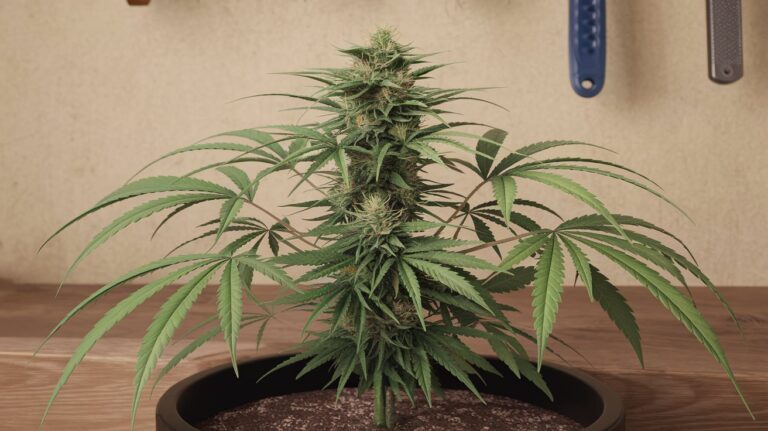
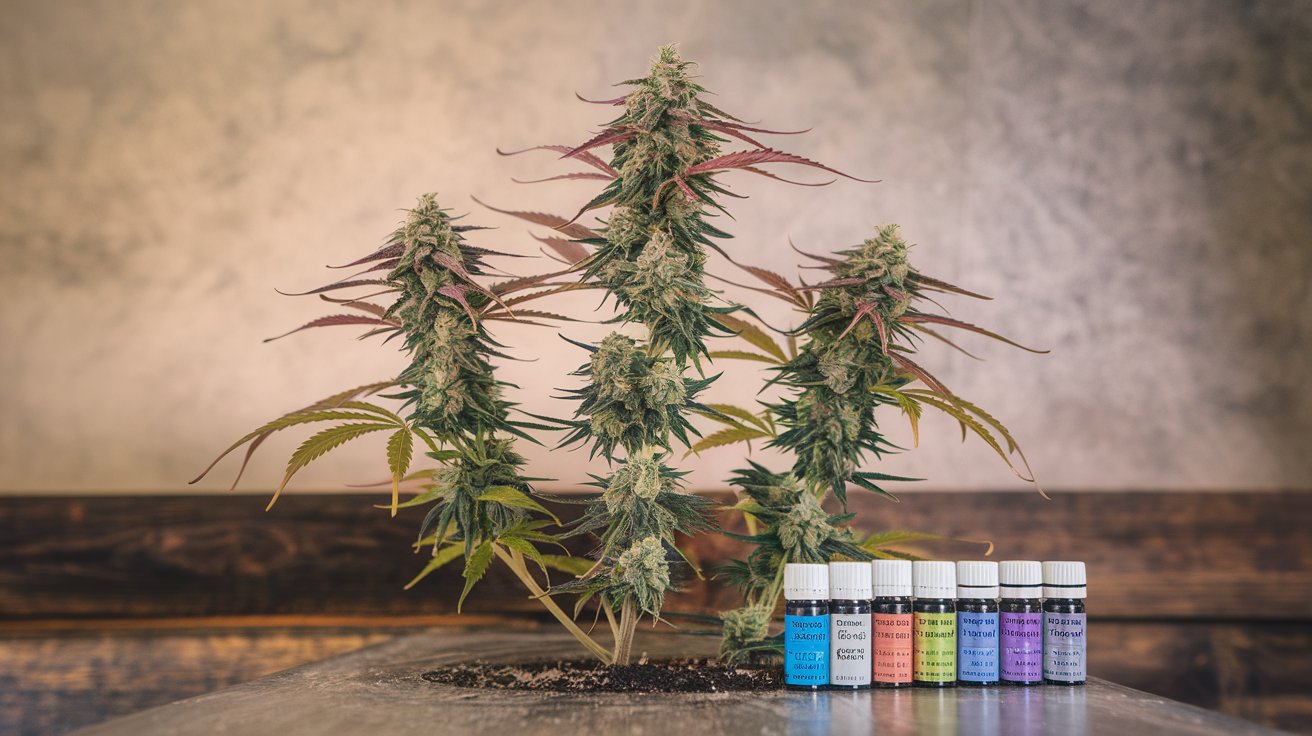
Terpenes are organic compounds found in many plants, not just cannabis. In the cannabis plant, over 200 different terpenes have been identified, though only about 20 appear in significant concentrations. These compounds are produced in the same glandular structures (trichomes) that manufacture THC and CBD, giving each cannabis strain its unique aromatic profile and potentially influencing its effects.
The concentration of terpenes in cannabis typically ranges from 0.1% to 4% by dry weight, with some premium cultivars containing even higher levels. Research conducted by laboratories across the United States in 2024 shows that terpene profiles can vary significantly even within the same strain, depending on growing conditions, harvest timing, and curing methods.
How Do Terpenes Work in Your Body
Terpenes interact with your body through multiple pathways, primarily through the olfactory system and various receptor sites throughout the body. When you inhale or consume cannabis, terpenes can cross the blood-brain barrier and potentially modulate neurotransmitter activity. Some terpenes may enhance the absorption of cannabinoids, while others might influence the binding affinity of THC and CBD to their respective receptors.
Recent studies from 2024 indicate that certain terpenes can affect the permeability of cell membranes, potentially allowing cannabinoids to be absorbed more efficiently. This mechanism helps explain why identical THC percentages in different strains can produce markedly different effects, highlighting the importance of the complete cannabinoid and terpene profile rather than focusing solely on THC content.
The Relationship Between Terpenes, THC, and CBD
The interaction between terpenes and cannabinoids creates what researchers call the entourage effect, where the combined compounds produce effects greater than the sum of their individual parts. THC, the psychoactive compound in cannabis, can have its effects modified by the presence of specific terpenes. For example, myrcene may enhance THC’s sedating properties, while limonene might promote alertness and mood elevation.
CBD and terpenes also work synergistically, with certain terpenes potentially enhancing CBD’s anti-inflammatory and anxiolytic properties. A 2024 study published in the Journal of Cannabis Research found that CBD combined with specific terpene profiles showed increased bioavailability and enhanced therapeutic outcomes compared to CBD isolate alone.
Can Terpenes Cause a High
Terpenes themselves do not produce a psychoactive high in the traditional sense, as they don’t directly activate cannabinoid receptors like THC does. However, some terpenes can produce mild psychoactive effects through their interaction with other receptor systems in the brain. For instance, linalool has been shown to have sedating properties, while pinene may promote alertness and memory retention.
When combined with THC, terpenes can significantly influence the quality and intensity of the psychoactive experience. They may make the high more uplifting, relaxing, focused, or creative, depending on the specific terpene profile. This is why consumers often report different effects from strains with similar THC levels but different terpene compositions.
Common Cannabis Terpenes and Their Effects
Understanding the most common terpenes found in cannabis can help consumers make more informed choices about their cannabis experience. Each terpene contributes unique properties that can influence both the aroma and the potential effects of different strains.
Myrcene: The Relaxation Terpene
Myrcene is typically the most abundant terpene in cannabis, often comprising up to 65% of a strain’s total terpene profile. Known for its earthy, musky aroma reminiscent of cloves and herbs, myrcene is associated with sedating and muscle-relaxing effects. Strains high in myrcene are often classified as indica-dominant and are preferred for evening use or managing sleep disorders.
Limonene: The Mood Elevator
Limonene provides the citrusy aroma found in many sativa-dominant strains and is the second most common terpene in cannabis. Research suggests that limonene may have anti-anxiety and antidepressant properties, potentially elevating mood and reducing stress. This terpene is also believed to enhance the absorption of other terpenes and cannabinoids through the skin and mucous membranes.
Pinene: The Focus Enhancer
Pinene exists in two forms (alpha and beta) and provides the fresh, pine-like aroma associated with many cannabis strains. This terpene may help counteract some of THC’s memory-impairing effects and could promote alertness and focus. Pinene is also found in pine needles, rosemary, and basil, and has been used traditionally for its anti-inflammatory and bronchodilator properties.
Additional Important Cannabis Terpenes
Beyond the most common terpenes, several other compounds play crucial roles in defining cannabis strain characteristics and their potential therapeutic applications. These secondary terpenes, while present in smaller quantities, can significantly influence the overall experience and medicinal value of cannabis products.
Caryophyllene: The Therapeutic Powerhouse
Caryophyllene is unique among terpenes because it can directly activate CB2 cannabinoid receptors, making it technically a dietary cannabinoid. This spicy, peppery terpene is found in black pepper, cloves, and cinnamon, and research suggests it may have anti-inflammatory and analgesic properties. Studies in 2024 have shown promising results for caryophyllene in managing chronic pain and inflammatory conditions.
Linalool: The Calming Compound
Linalool provides the floral, lavender-like aroma found in many relaxing cannabis strains. This terpene has well-documented sedating and anti-anxiety properties, making it valuable for individuals seeking stress relief or sleep support. Research indicates that linalool may also have anti-epileptic properties and could potentially help with neurodegenerative conditions.
Terpenes Benefits for Health and Wellness
The therapeutic benefits of terpenes extend far beyond their aromatic properties, with mounting scientific evidence supporting their medicinal potential. Unlike synthetic pharmaceuticals, terpenes offer a natural approach to wellness that works harmoniously with the body’s existing systems. Current research in the United States shows promising applications for terpenes in treating anxiety, inflammation, pain, and sleep disorders.
Terpene therapy is gaining recognition in the medical cannabis community, with healthcare providers increasingly considering terpene profiles when recommending cannabis products to patients. The personalized approach to cannabis medicine, based on individual terpene sensitivity and desired outcomes, represents a significant advancement in cannabinoid therapeutics as we move into 2025.
Are Terpenes Bad for You: Safety and Side Effects
Cannabis terpenes are generally safe for most people when used appropriately, as they are naturally occurring compounds found in many everyday foods and plants. The FDA has classified many common terpenes as “Generally Recognized as Safe” (GRAS) for consumption. However, like any compound, terpenes can cause adverse reactions in sensitive individuals or when consumed in excessive quantities.
Potential terpene side effects may include skin irritation when applied topically in high concentrations, respiratory irritation when inhaled in large amounts, or allergic reactions in susceptible individuals. People with certain medical conditions or those taking specific medications should consult healthcare providers before using terpene-rich cannabis products, as some terpenes may interact with pharmaceuticals or exacerbate certain health conditions.
Maximizing Terpene Benefits: Best Practices
To maximize the benefits of cannabis terpenes, proper storage and consumption methods are essential. Terpenes are volatile compounds that can degrade when exposed to heat, light, and air. Store cannabis products in cool, dark places using airtight containers to preserve terpene integrity. When consuming cannabis, lower temperature vaporization (315-440°F) can better preserve terpenes compared to high-temperature combustion.
Choosing the right terpene profile for your needs involves understanding your goals and sensitivity to different compounds. Keep a consumption journal noting the terpene profiles of different products and their effects on your mood, energy, and overall well-being. This personalized approach helps identify which terpene combinations work best for your individual biochemistry and desired outcomes.
The Future of Cannabis Terpene Research
The field of terpene research is rapidly expanding, with new studies emerging regularly that deepen our understanding of these remarkable compounds. Universities and research institutions across the United States are investigating novel applications for cannabis terpenes in treating conditions ranging from PTSD to neurodegenerative diseases. As cannabis legalization continues to spread, funding for comprehensive terpene studies is increasing significantly.
Emerging technologies in 2024-2025 are enabling more precise terpene extraction and formulation methods, leading to standardized terpene products with consistent effects. The development of terpene-specific testing protocols and quality control measures is establishing new industry standards that benefit both consumers and healthcare providers seeking reliable, therapeutic cannabis products.
Related video about what are cannabis terpenes
This video complements the article information with a practical visual demonstration.
FAQ – Common Questions
What do terpenes do for your high?
Terpenes modify and enhance the effects of THC through the entourage effect. They can make your high more relaxing, energizing, focused, or creative depending on the specific terpene profile. For example, myrcene tends to enhance sedating effects, while limonene may promote mood elevation and alertness. Terpenes don’t cause intoxication themselves but significantly influence the quality and character of the cannabis experience.
Are cannabis terpenes bad for you?
Cannabis terpenes are generally safe for most people when used appropriately. Many common terpenes are classified as “Generally Recognized as Safe” by the FDA. However, some individuals may experience allergic reactions or irritation, especially with high concentrations or topical applications. People with medical conditions or those taking medications should consult healthcare providers before using terpene-rich products.
What does each cannabis terpene do?
Different cannabis terpenes have unique effects: Myrcene provides relaxation and sedation, limonene elevates mood and reduces anxiety, pinene enhances focus and memory, caryophyllene offers anti-inflammatory benefits, linalool promotes calm and sleep, and humulene may suppress appetite. Each terpene contributes specific therapeutic properties while working synergistically with cannabinoids to create the overall effect profile.
What terpene gets you the most high?
No single terpene produces a high by itself, as terpenes are not psychoactive in the traditional sense. However, myrcene is often associated with enhancing THC’s intoxicating effects, particularly the sedating, couch-lock sensation. The “highest” effect comes from the combination of THC content and the complete terpene profile working together through the entourage effect, rather than any individual terpene.
How do I choose cannabis products based on terpenes?
Choose cannabis products by matching terpene profiles to your desired effects. For relaxation and sleep, look for myrcene and linalool-dominant strains. For energy and focus, seek products high in limonene and pinene. For pain relief, consider caryophyllene-rich options. Start with lower doses to assess your sensitivity to different terpene combinations and keep a journal to track which profiles work best for your needs.
Do terpenes affect drug tests?
Terpenes themselves do not typically show up on standard drug tests, as these tests specifically screen for THC metabolites and other controlled substances. However, full-spectrum cannabis products containing terpenes also contain THC, which will be detected. If you’re concerned about drug testing, consider CBD isolate products without THC rather than avoiding terpenes specifically.
| Terpene | Primary Effects | Best Used For |
|---|---|---|
| Myrcene | Sedating, muscle relaxing | Evening use, sleep disorders |
| Limonene | Mood elevation, anti-anxiety | Daytime use, stress relief |
| Pinene | Alertness, memory retention | Focus, productivity |
| Caryophyllene | Anti-inflammatory, pain relief | Chronic pain, inflammation |
| Linalool | Calming, anti-anxiety | Anxiety, insomnia |