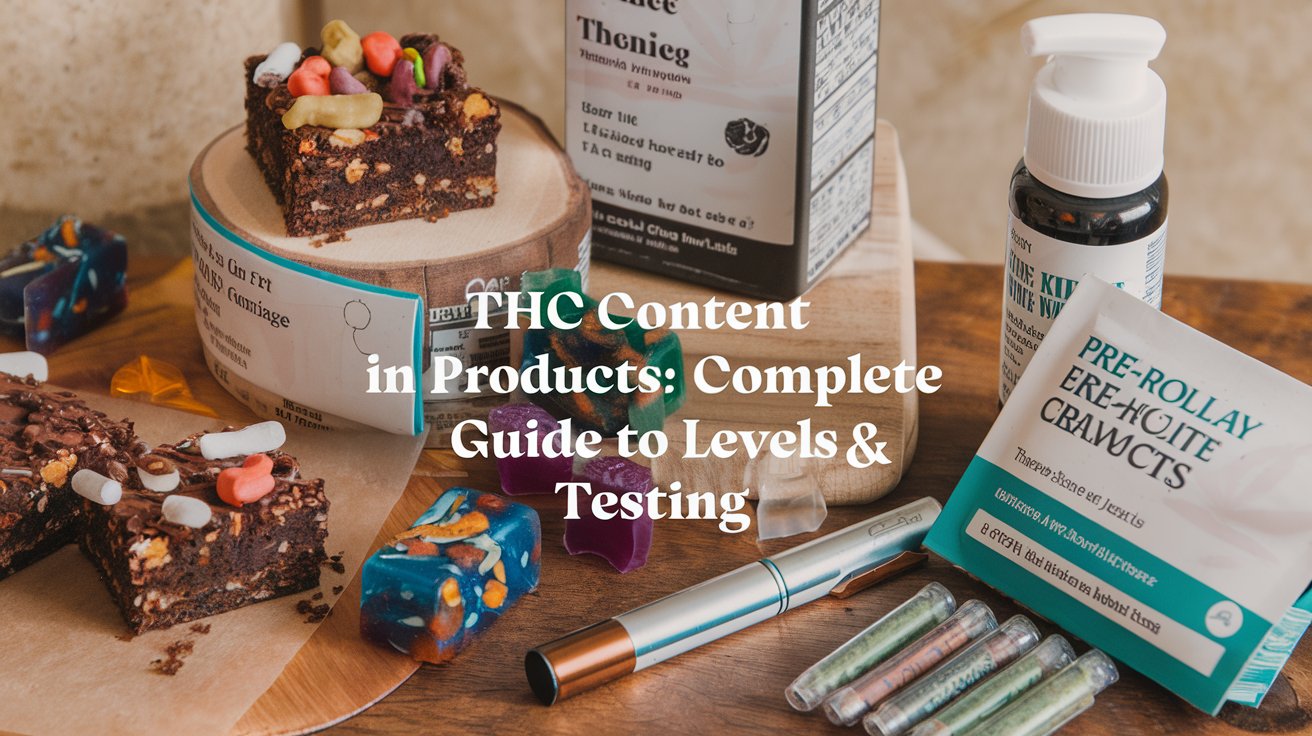
THC Content in Products: Complete Guide to Levels & Testing
Understanding THC content in products is crucial for both consumers and industry professionals navigating the complex cannabis market in 2025. THC levels determine potency, effects, and legal compliance across different product categories. This comprehensive guide explains how THC content is measured, what constitutes high levels, and how different products compare in terms of cannabinoid concentration.
Understanding THC Content and Measurement
THC content refers to the concentration of delta-9-tetrahydrocannabinol in cannabis products, typically expressed as a percentage by weight or milligrams per serving. The THC levels chart varies significantly across product types, with flower products ranging from 15-35%, concentrates reaching 70-95%, and edibles containing specific milligram dosages. Understanding these measurements helps consumers make informed decisions about product selection and dosing.
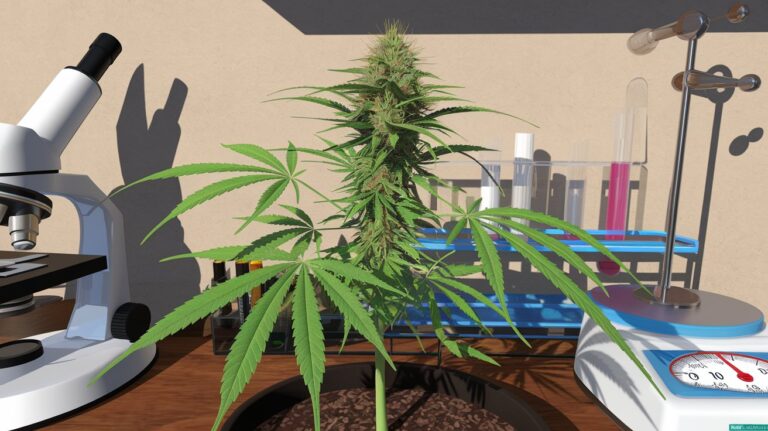
Modern testing methods use high-performance liquid chromatography (HPLC) to accurately determine THC percentage calculator results. Labs analyze samples to provide detailed cannabinoid profiles that include total THC, THCa, CBD, and other compounds. This comprehensive analysis ensures consumers receive accurate information about product potency and composition.
THC vs Total THC Explained
The distinction between THC and Total THC is fundamental to understanding THC levels explained accurately. Delta-9 THC represents the psychoactive compound in its active form, while Total THC includes both active THC and THCa (tetrahydrocannabinolic acid) converted through decarboxylation. This conversion typically occurs during heating processes like smoking, vaping, or cooking, making Total THC a more accurate representation of potential psychoactive effects.
THC Percentage Calculator Methods
Professional THC mg to percentage calculator systems use standardized formulas to convert between different measurement units. For flower products, percentage equals milligrams per gram multiplied by 0.1. For edibles, total THC content divided by product weight provides percentage concentration. These calculations help consumers understand dosing across different product formats and ensure consistent experiences.
What is Considered High THC Content
High THC content varies significantly depending on product type and consumer tolerance levels. For cannabis flower, what is considered high THC typically begins at 20% THC content, with premium products reaching 25-35%. Concentrate products demonstrate much higher potency, with high-quality options containing 70-90% THC. These elevated levels require careful dosing and experienced consumption practices.
The definition of high THC has evolved as cultivation techniques and extraction methods have advanced. In 2025, the average THC level in bud ranges from 18-22%, representing a significant increase from historical averages of 8-12% in previous decades. This potency increase necessitates updated consumer education and responsible usage guidelines.
THC Content Across Different Product Categories
Cannabis products demonstrate varying THC content levels based on their production methods and intended use cases. Understanding these differences helps consumers select appropriate products for their experience level and desired effects. Each category requires specific testing protocols and labeling requirements to ensure accurate potency information.
Flower Products and THC Levels
Cannabis flower products typically contain THC levels ranging from 15-35%, with most commercial products falling between 18-25%. Premium indoor-grown flower often achieves higher potency levels due to controlled environmental conditions and selective breeding. Outdoor cultivation generally produces slightly lower THC percentages but may offer enhanced terpene profiles and unique cannabinoid combinations.
Concentrate THC Content Ranges
Concentrate products represent the highest THC content category, with most products containing 60-95% THC. Live resin concentrates typically range from 70-85%, while distillates can reach 90-95% purity. These products require specialized extraction techniques and offer potent effects with minimal consumption volumes. Hash products generally contain 40-70% THC, depending on production methods and starting material quality.
Products That Contain THC
The modern cannabis market includes numerous products that have THC in various concentrations and delivery methods. Understanding which products contain THC helps consumers navigate legal requirements, workplace policies, and personal consumption preferences. Each product category offers unique advantages and consumption experiences based on THC content and delivery mechanisms.
Edible Products and THC Dosing
Edible products contain precisely measured THC content typically ranging from 2.5mg to 100mg per serving. Standard dosing begins at 2.5-5mg for new users, with experienced consumers often preferring 10-20mg doses. Edibles undergo extensive testing to ensure accurate dosing and consistent effects. The onset time of 30-120 minutes requires patient consumption practices and careful dose titration.
Topical and Sublingual Products
Topical products containing THC levels vary from 50-500mg per container, designed for localized effects without systemic absorption. Sublingual tinctures offer precise dosing with 1-50mg THC per milliliter, allowing for accurate micro-dosing. These products provide controlled consumption methods with predictable onset times and duration of effects.
Testing and Quality Assurance Standards
Professional testing laboratories use advanced analytical methods to determine accurate THC content in cannabis products. These facilities must maintain strict quality standards and provide certificates of analysis (COA) for all tested products. Testing protocols include potency analysis, pesticide screening, heavy metals detection, and microbial contamination testing to ensure consumer safety.
State regulations require comprehensive testing for all commercial cannabis products, with specific requirements varying by jurisdiction. The testing process typically takes 3-7 days and includes multiple analytical methods to verify THC percentage calculator accuracy. This rigorous testing ensures consumers receive accurate product information and safe consumption experiences.
Legal THC Limits and Compliance
Legal THC content limits vary significantly across different jurisdictions and product categories in the United States. Hemp-derived products must contain less than 0.3% THC to remain federally legal, while state-licensed cannabis products may contain much higher levels. Understanding these legal frameworks helps consumers and businesses maintain compliance with applicable regulations.
Individual states establish their own THC levels regulations for various product types, with some allowing up to 100mg THC per edible serving while others cap doses at 10mg. These regulatory differences require careful attention when traveling between states or purchasing products online. Compliance testing ensures products meet specific jurisdictional requirements before reaching consumers.
THCa vs THC Content Differences
Understanding the relationship between THCa and THC is crucial for accurately interpreting product labels and potency information. THCa (tetrahydrocannabinolic acid) represents the non-psychoactive precursor to THC that converts through decarboxylation when exposed to heat or time. Raw cannabis products primarily contain THCa rather than active THC, affecting consumption methods and expected effects.
The question of whether 30% THCa is the same as 30% THC highlights this important distinction. THCa converts to THC at approximately 87.7% efficiency, meaning 30% THCa would yield roughly 26.3% THC after complete decarboxylation. This conversion factor affects product labeling, dosing calculations, and consumer expectations across different consumption methods.
Related video about THC content in products
This video complements the article information with a practical visual demonstration.
Everything you need to know about thc content in products
What product has the highest THC content?
Cannabis distillates and crystalline isolates contain the highest THC content, often reaching 90-99% purity. These concentrated products undergo extensive extraction and purification processes to remove plant materials, waxes, and other compounds. Live resin concentrates typically contain 70-85% THC, while premium flower products rarely exceed 35% THC content.
What products have THC in them?
THC is found in cannabis flower, concentrates, edibles, tinctures, topicals, vape cartridges, and beverages. Hemp-derived CBD products may contain trace amounts under 0.3% THC. Each product category offers different THC concentrations and consumption methods, from micro-dose edibles with 2.5mg to high-potency concentrates with 1000mg+ per gram.
What level of THC is considered high?
High THC levels vary by product type. For flower, 20% or higher is considered high, with premium products reaching 25-35%. Concentrates with 70%+ THC are high-potency, while edibles containing 20mg+ per serving are considered strong doses. These levels require experienced consumption and careful dosing practices.
Is 30% THCa the same as 30% THC?
No, 30% THCa is not equivalent to 30% THC. THCa converts to THC through decarboxylation at approximately 87.7% efficiency. Therefore, 30% THCa would yield roughly 26.3% active THC after heating. This distinction is important for understanding actual psychoactive potential and proper dosing calculations.
How do I calculate THC percentage from milligrams?
To calculate THC percentage from milligrams, divide the THC content in mg by the total product weight in mg, then multiply by 100. For example, 200mg THC in a 1000mg product equals 20% THC. This calculation method applies to all cannabis products and helps consumers understand potency across different formats.
What is the average THC level in cannabis flower?
The average THC level in cannabis flower ranges from 18-22% in 2025, significantly higher than historical averages of 8-12%. Indoor cultivation and selective breeding have increased potency levels, with premium strains often exceeding 25% THC. This potency increase requires updated consumer education and responsible usage guidelines.
| Product Type | Typical THC Range | High THC Threshold |
|---|---|---|
| Cannabis Flower | 15-25% | 20%+ |
| Concentrates | 60-90% | 70%+ |
| Edibles | 5-20mg per serving | 20mg+ |
| Vape Cartridges | 70-90% | 85%+ |
| Tinctures | 10-50mg per ml | 30mg+ |