Medical Cannabis Consultation Steps: Complete 2025 Guide
Navigating the medical cannabis consultation steps can feel overwhelming for new patients seeking alternative treatment options. This comprehensive guide breaks down every stage of the consultation process, from determining eligibility through qualifying conditions to completing your first dispensary purchase. Understanding these steps ensures you receive proper medical guidance while complying with state regulations for medical cannabis prescription access.
Medical Cannabis Qualifying Conditions Assessment
Before beginning the consultation process, patients must verify they have approved medical cannabis qualifying conditions recognized by their state. As of 2025, most states accept conditions including chronic pain, epilepsy, PTSD, cancer, glaucoma, and multiple sclerosis. Each state maintains specific qualifying condition lists, with some requiring documented medical records spanning at least three months of traditional treatment attempts.
Documentation requirements vary significantly between states, but typically include medical records, prescription histories, and specialist reports. Patients should gather all relevant medical documentation before scheduling their initial consultation to streamline the medical cannabis prescription approval process and avoid delays in treatment access.
Finding the Right Medical Cannabis Clinic
Selecting an appropriate clinic significantly impacts your consultation experience and ongoing care quality. When researching the cheapest medical cannabis clinic options, consider factors beyond price including physician credentials, patient reviews, consultation thoroughness, and follow-up care availability. Many reputable clinics offer competitive pricing while maintaining high standards of medical care.
Online research platforms and state medical marijuana program directories provide comprehensive clinic listings with patient ratings and pricing information. Look for clinics offering medical cannabis online consultations, which have become increasingly popular since 2024, providing convenient access for patients in remote areas or those with mobility limitations.
Evaluating Clinic Credentials and Services
Verify that potential clinics employ licensed physicians with medical marijuana specialization training. Review their consultation process, follow-up care protocols, and patient education resources. Quality clinics provide comprehensive medical cannabis FAQ sections, detailed treatment plans, and ongoing monitoring services rather than simple prescription mills focused solely on approvals.
Understanding Clinic Pricing Structures
Medical cannabis consultation fees typically range from $150-$300 for initial appointments, with follow-up visits costing $75-$150. Some clinics offer package deals including the consultation, state registration assistance, and multiple follow-up appointments. Compare total program costs rather than initial consultation fees to identify the most cost-effective medical cannabis online service option.
Preparing for Your Initial Consultation
Proper preparation ensures a smooth consultation experience and increases approval likelihood. Compile a comprehensive medical history including current medications, previous treatments, symptom timelines, and how conditions impact daily activities. Organize medical records chronologically and prepare specific questions about medical cannabis prescription dosing, strain recommendations, and potential drug interactions.
Create a detailed symptom journal documenting frequency, severity, and current management strategies. This documentation demonstrates treatment necessity and helps physicians develop appropriate cannabis treatment plans. Consider preparing questions about administration methods, dosing schedules, and monitoring protocols to maximize consultation value.
Required Documentation Checklist
Gather essential documents including government-issued ID, medical records from treating physicians, current medication lists, and specialist reports. Some states require specific forms or referrals, so review your state’s requirements before the appointment. Having complete documentation prevents consultation delays and demonstrates treatment commitment to the evaluating physician.
Questions to Prepare for Your Doctor
Prepare specific questions about strain selection, dosing protocols, administration methods, and potential side effects. Ask about drug interactions with current medications, monitoring requirements, and follow-up schedules. Understanding these aspects ensures safe, effective treatment and demonstrates engagement with the medical cannabis consultation steps process.
Virtual Consultation Process and Technology Requirements
Virtual consultations have revolutionized medical cannabis access, particularly following 2024 telemedicine expansion legislation. Ensure you have reliable internet, a device with camera and microphone capabilities, and a private consultation space. Test your technology beforehand and have backup communication methods available in case of technical difficulties during your medical cannabis online appointment.
Most virtual platforms require account creation and medical document uploads before the consultation. Some clinics provide technical support services to assist patients with platform navigation. Schedule consultations during times when you can speak privately and focus completely on the medical discussion without interruptions.
During the Consultation: What to Expect
Initial consultations typically last 30-45 minutes and follow structured protocols to evaluate medical necessity and treatment appropriateness. Physicians review medical history, discuss current symptoms, explore previous treatments, and educate patients about cannabis medicine basics. Be prepared to discuss your condition’s impact on quality of life and specific treatment goals you hope to achieve.
Doctors evaluate qualifying conditions against state regulations while considering individual patient factors like age, medication interactions, and lifestyle considerations. The consultation includes education about medical cannabis prescription options, administration methods, dosing guidelines, and monitoring requirements to ensure safe, effective treatment outcomes.
Medical History Review Process
Physicians conduct comprehensive medical history reviews including condition onset, progression, previous treatments, and current management strategies. They assess treatment failures, medication side effects, and functional limitations to determine medical cannabis appropriateness. This thorough evaluation ensures medical cannabis qualifying conditions meet state requirements while identifying optimal treatment approaches.
Treatment Plan Development
Based on the medical evaluation, physicians develop personalized treatment plans including specific strain recommendations, dosing protocols, and administration methods. They provide education about onset times, duration of effects, and potential side effects. This individualized approach ensures safe, effective treatment while addressing specific patient needs and concerns.
State Registration and Card Application Process
Following consultation approval, patients must complete state registration processes to obtain medical cannabis cards. Requirements vary by state but typically include online applications, physician certifications, state fees, and identity verification. Processing times range from 7-30 days depending on state efficiency and application completeness.
Some clinics provide registration assistance as part of their service packages, helping patients navigate complex application processes and avoid common mistakes that cause delays. Maintain copies of all documentation and track application status through state portals to monitor progress and address any issues promptly.
First Dispensary Visit and Product Selection
Your first dispensary visit can feel overwhelming given the variety of available products and administration methods. Bring your medical cannabis card, government ID, and physician recommendations to facilitate the purchasing process. Dispensary staff, called budtenders, provide product education and help select appropriate options based on your specific medical needs and experience level.
Start with lower potency products and gradually increase dosing as needed. Ask about medical cannabis FAQ topics including onset times, duration of effects, and storage requirements. Many dispensaries offer first-time patient discounts and educational materials to support new medical cannabis users in making informed decisions about their treatment.
Understanding Product Types and Administration Methods
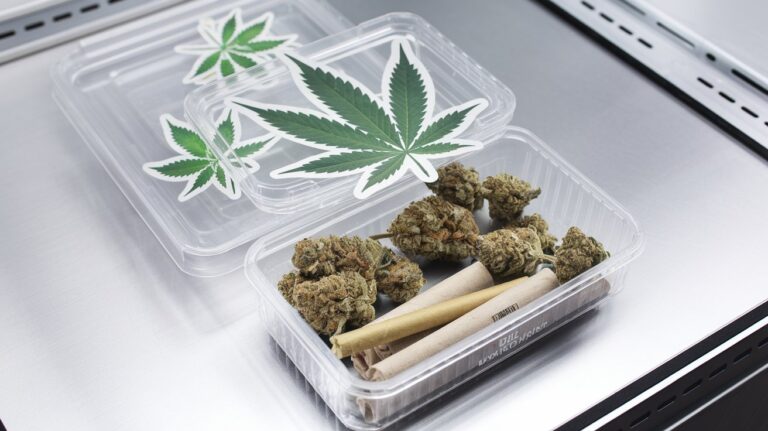
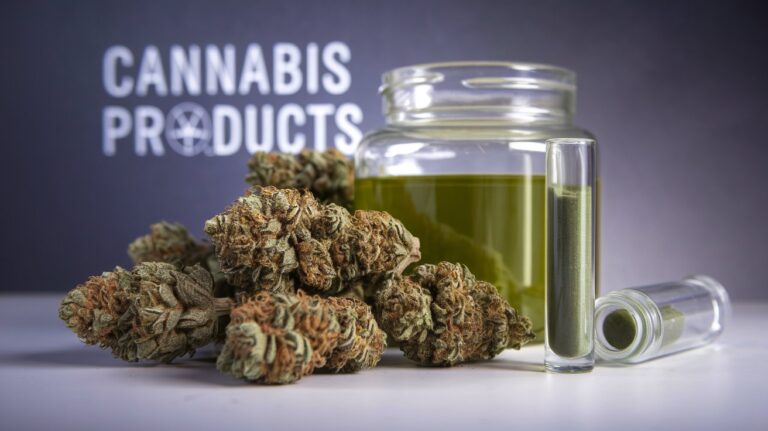
Medical cannabis products include flower for inhalation, edibles for oral consumption, tinctures for sublingual use, and topicals for localized relief. Each administration method offers different onset times, effect durations, and dosing precision. Understanding these differences helps patients select appropriate products for their specific medical cannabis qualifying conditions and lifestyle preferences.
Dosing Guidelines for New Patients
New patients should start with minimal doses and gradually increase until achieving desired therapeutic effects. The principle ‘start low and go slow’ prevents adverse reactions and helps identify optimal dosing levels. Track your responses in a dosing journal to share with your physician during follow-up appointments and optimize your treatment plan.
Follow-Up Care and Monitoring Requirements
Regular follow-up appointments ensure treatment effectiveness and safety while maintaining compliance with state regulations. Most states require follow-up consultations every 6-12 months, though some patients benefit from more frequent monitoring during initial treatment phases. These appointments allow physicians to adjust treatment plans based on patient responses and changing medical needs.
Document your treatment progress including symptom improvements, side effects, dosing changes, and quality of life impacts. This information helps physicians optimize your medical cannabis prescription and provides valuable data for insurance considerations and treatment adjustments. Maintain open communication with your medical team about any concerns or changes in your condition.
Common Concerns and Safety Considerations
Many patients worry about questions like ‘does medical cannabis smell‘ and workplace implications of medical marijuana use. Modern cannabis products include odorless options like edibles, tinctures, and vaporizers that address discretion concerns. Understand your workplace policies and state protections for medical cannabis patients to avoid employment complications.
Safety considerations include avoiding driving under the influence, storing products away from children and pets, and understanding drug interactions with current medications. Work with your physician to develop safety protocols and emergency procedures. Some patients experience side effects like dizziness, dry mouth, or anxiety, which typically resolve with dosing adjustments or product changes.
Related video about medical cannabis consultation steps
This video complements the article information with a practical visual demonstration.
Most asked questions about medical cannabis consultation steps
How much does a medical cannabis consultation typically cost?
Medical cannabis consultation fees range from $150-$300 for initial appointments, with follow-up visits costing $75-$150. Many clinics offer package deals including consultation, state registration assistance, and multiple follow-up appointments. Some clinics advertise as the cheapest medical cannabis clinic option, but compare total program costs rather than just initial fees to find the best value.
Can I get a medical cannabis prescription online?
Yes, many states now allow medical cannabis online consultations through licensed telemedicine platforms. Virtual consultations became widely available in 2024 and offer convenient access for patients in remote areas or those with mobility limitations. You’ll still need to provide medical documentation and meet state qualifying conditions for approval.
What qualifying conditions are approved for medical cannabis in 2025?
Medical cannabis qualifying conditions vary by state but commonly include chronic pain, epilepsy, PTSD, cancer, glaucoma, multiple sclerosis, and severe arthritis. Most states require documented medical records spanning at least three months of traditional treatment attempts. Check your specific state’s approved condition list as requirements continue evolving.
Are there any medical cannabis free consultation options available?
While true medical cannabis free consultations are rare, some clinics offer promotional pricing, sliding scale fees based on income, or payment plans. Veterans, seniors, and low-income patients may qualify for discounted services. Some states provide reduced-fee programs for qualifying patients, so research available assistance programs in your area.
How long does the medical cannabis consultation process take from start to finish?
The complete medical cannabis consultation steps process typically takes 2-6 weeks from initial appointment to receiving your state card. Initial consultations last 30-45 minutes, state processing takes 7-30 days depending on your location, and first dispensary visits require additional time for product education and selection.
Do I need to see the doctor in person or can consultations be done remotely?
Most states now allow medical cannabis online consultations through licensed telemedicine platforms, eliminating the need for in-person visits. Virtual consultations require reliable internet, a device with camera/microphone, and a private space for the appointment. Some states still require in-person visits, so verify your state’s current telehealth regulations.
| Consultation Step | Time Required | Key Benefit |
|---|---|---|
| Qualifying Condition Assessment | 1-2 hours preparation | Ensures eligibility before consultation |
| Clinic Selection Research | 2-3 hours | Finds best value and quality care |
| Initial Consultation | 30-45 minutes | Personalized treatment plan development |
| State Registration | 7-30 days processing | Legal access to dispensaries |
| First Dispensary Visit | 45-60 minutes | Product education and selection |
| Follow-up Monitoring | Every 6-12 months | Treatment optimization and safety |