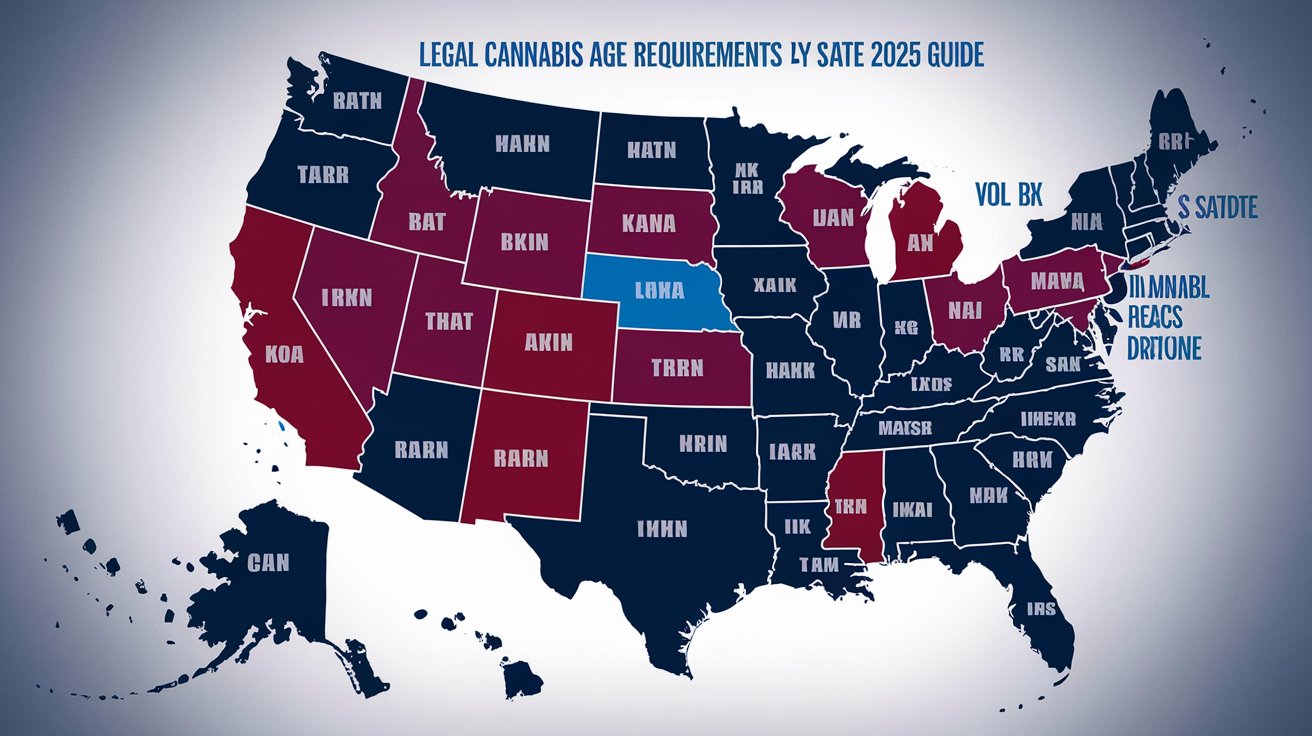
Legal Cannabis Age Requirements by State 2025 Guide
Understanding legal cannabis age requirements across the United States is crucial for both consumers and businesses navigating the evolving marijuana landscape. As of 2025, cannabis laws vary significantly between states, with most requiring users to be 21 years old for recreational use and 18 years old for medical cannabis with proper authorization. This comprehensive guide covers current age restrictions, state-specific regulations, and compliance requirements for legal cannabis consumption.
Federal vs State Cannabis Age Requirements
The legal cannabis age framework in the United States operates under a complex system where federal prohibition conflicts with state legalization efforts. While cannabis remains federally illegal, individual states have established their own age requirements for both medical and recreational use. The majority of states with legal recreational cannabis have adopted the 21-year minimum age, mirroring alcohol regulations under the National Minimum Drinking Age Act.
Medical cannabis programs typically allow patients as young as 18 to access marijuana with proper medical authorization. However, minors under 18 can often participate in medical programs with parental consent and physician approval. This dual system creates varying cannabis laws that consumers must understand when traveling between states or relocating.
Recreational Cannabis Age Requirements by State
As of 2025, 24 states plus Washington D.C. have legalized recreational cannabis with a standard 21-year minimum age requirement. States including California, Colorado, Washington, Oregon, Nevada, Alaska, Maine, Vermont, Massachusetts, Michigan, Illinois, Arizona, Montana, New York, New Jersey, Virginia, Connecticut, Rhode Island, New Mexico, Missouri, Maryland, Delaware, Minnesota, and Ohio all require users to be 21 or older for legal recreational cannabis purchases and possession.
The 21-year age limit aligns with federal alcohol regulations and reflects concerns about brain development in young adults. Research indicates that cannabis use before age 25 can impact cognitive development, making the 21-year threshold a science-based policy decision adopted by most legalized states.
State-Specific Recreational Age Variations
While most states maintain the 21-year standard, some have unique provisions. Massachusetts cannabis laws allow 21-year-olds to purchase up to one ounce of flower and five grams of concentrate daily. Michigan permits 21-year-olds to enter dispensaries but requires valid government-issued ID for purchases. These state-specific requirements create important distinctions in how legal cannabis age requirements are implemented and enforced.
Penalties for Underage Recreational Use
States with legal recreational cannabis maintain strict penalties for underage use. Violations can result in fines ranging from $100 to $1,000, mandatory drug education programs, community service, and potential juvenile court proceedings. These penalties emphasize that legal age requirements are strictly enforced despite overall legalization efforts.
Medical Cannabis Age Requirements
Medical cannabis programs operate under different age requirements than recreational markets, with most states allowing patients 18 and older to access marijuana with valid medical recommendations. Currently, 38 states plus Washington D.C. have comprehensive medical cannabis programs, with many allowing minors to participate under specific circumstances including parental consent and physician approval.
States like Florida, Texas, and Pennsylvania maintain medical-only programs where 18-year-olds can legally access cannabis with proper medical authorization. These programs often require patients to register with state databases and obtain medical marijuana cards before making purchases at licensed dispensaries.
Minor Patient Programs
Medical cannabis programs for minors typically require additional safeguards including parental or guardian consent, physician recommendations specifying dosage and treatment duration, and regular medical monitoring. States like Colorado, California, and New York have established comprehensive minor patient protections allowing children with serious medical conditions to access cannabis treatments under strict medical supervision.
Medical Cannabis Card Age Requirements
Medical cannabis card eligibility varies by state but typically requires applicants to be 18 years old or have parental consent for minors. States like Arizona and Nevada require adult patients to be 18 with valid medical recommendations, while programs in Montana and Alaska maintain similar age thresholds for medical access.
Cannabis Dispensary Entry Age Requirements
Cannabis dispensary entry rules vary significantly between states and business types. In recreational markets, most dispensaries require customers to be 21 years old to enter the premises, even for browsing without purchasing. However, some states allow 18-year-olds with valid medical cards to enter medical-only sections of dual-license dispensaries.
Michigan dispensaries exemplify this approach, where 18-year-olds with medical cards can enter medical cannabis areas but cannot access recreational sections until age 21. These entry restrictions help businesses maintain compliance with state regulations while serving both medical and recreational markets.
Edibles Age Requirements and Restrictions
Cannabis edibles face the same age requirements as other cannabis products, with 21-year minimums in recreational states and 18-year minimums for medical patients. However, edibles often carry additional restrictions due to their delayed onset effects and potential for accidental consumption by minors.
States like Colorado and Washington have implemented strict edibles packaging requirements including child-resistant containers, clear labeling, and serving size limitations. These regulations address concerns about accidental pediatric ingestion while maintaining legal access for qualified adults.
State-Specific Edibles Age Policies
Wisconsin maintains strict prohibition on cannabis edibles regardless of age, while Florida medical patients 18 and older can legally purchase edibles with valid medical cards. Massachusetts allows 21-year-olds to purchase edibles up to 5mg THC per serving with maximum daily limits, demonstrating how edibles age requirements intersect with dosage regulations.
THC Limits for Young Adults
Some states implement lower THC limits for younger adult consumers aged 21-25, reflecting ongoing brain development research. These policies may include reduced possession limits, lower-potency product options, and enhanced education requirements for young adult cannabis consumers.
Home Cultivation Age Requirements
Cannabis home cultivation laws typically mirror consumption age requirements, with most states allowing adults 21 and older to grow limited numbers of plants for personal use. States like Alaska, California, Colorado, and Maine permit home cultivation for adults meeting age requirements, usually limiting households to 6-12 plants depending on local regulations.
Home cultivation age requirements often include additional restrictions such as secure growing areas away from minors, possession limits for harvested cannabis, and prohibition on sales or distribution. These regulations ensure that home growing remains compliant with age-based access controls while allowing personal cultivation rights.
Interstate Travel and Age Verification
Cannabis consumers traveling between states must understand varying age requirements and possession laws to maintain legal compliance. While a 21-year-old may legally purchase cannabis in Colorado, transporting that cannabis to neighboring states where it remains illegal creates federal violations regardless of age.
Interstate commerce remains federally prohibited, meaning legal cannabis purchases must be consumed within the state of purchase. This restriction applies to all age groups and requires consumers to understand both origin and destination state laws when traveling with cannabis products.
Related video about legal cannabis age requirements
This video complements the article information with a practical visual demonstration.
Essential Q&A about legal cannabis age requirements
Can an 18 year old legally purchase cannabis edibles in the United States?
An 18-year-old can legally purchase cannabis edibles only in states with medical marijuana programs and only with a valid medical cannabis card and physician recommendation. In recreational cannabis states, the minimum age is 21 years old. Medical patients 18 and older can access edibles in states like Florida, Pennsylvania, and Arizona with proper medical authorization.
How old do you need to be to enter a cannabis dispensary?
Dispensary entry age requirements vary by state and license type. In recreational states, most dispensaries require visitors to be 21 years old to enter. However, medical cannabis patients aged 18 and older can typically enter medical dispensaries or medical sections of dual-license facilities with valid medical cards and government-issued identification.
At what age is cannabis use considered safe from a developmental perspective?
Medical research suggests that cannabis use before age 25 can impact brain development, as the prefrontal cortex continues developing until the mid-twenties. Most states have chosen 21 as the legal age, balancing developmental concerns with adult autonomy rights. Medical use for minors is permitted in specific circumstances with physician oversight.
Are cannabis age requirements the same in all legal states?
While most states maintain 21 as the minimum age for recreational cannabis and 18 for medical cannabis, specific regulations vary significantly. State-specific differences include possession limits, home cultivation rules, dispensary entry policies, and penalties for violations. Consumers must research individual state laws before purchasing or possessing cannabis.
Can minors access medical cannabis in any circumstances?
Yes, most medical cannabis states allow minors to access marijuana with parental or guardian consent, physician recommendations, and ongoing medical supervision. These programs typically require specialized medical conditions, detailed treatment plans, and regular monitoring. States like Colorado, California, and New York have established comprehensive minor patient protections.
Do cannabis age requirements apply to CBD products?
Hemp-derived CBD products containing less than 0.3% THC are federally legal with no minimum age requirement under the 2018 Farm Bill. However, individual states may impose age restrictions on CBD sales. Cannabis-derived CBD products follow the same age requirements as other cannabis products, requiring 21 years old in recreational states or 18+ with medical authorization.
| Cannabis Category | Minimum Age Requirement | Additional Requirements |
|---|---|---|
| Recreational Cannabis | 21 years old | Valid government ID, state residency may apply |
| Medical Cannabis | 18 years old | Medical card, physician recommendation |
| Minor Medical Patients | Under 18 | Parental consent, physician approval, ongoing monitoring |
| Hemp-Derived CBD | No federal minimum | Must contain less than 0.3% THC, state laws vary |