How to Choose Cannabis: Complete Strain Selection Guide 2025
Choosing the right cannabis strain can feel overwhelming with over 4,000 varieties available in the United States as of 2025. Whether you’re a beginner exploring cannabis for the first time or an experienced user seeking specific effects, understanding the differences between indica, sativa, and hybrid strains is essential. This comprehensive guide will help you navigate strain selection based on your desired effects, experience level, and consumption preferences to make informed decisions in today’s diverse cannabis market.
Understanding Cannabis Strain Basics
Cannabis strains are classified into three main categories: indica, sativa, and hybrid varieties. Each type offers distinct characteristics in terms of effects, growth patterns, and chemical composition. Understanding these fundamental differences is crucial for making informed decisions about which cannabis products align with your specific needs and preferences.
Modern cannabis cultivation has evolved significantly, with breeders creating specialized strains that target specific effects, flavors, and therapeutic benefits. In 2025, the average THC content in commercial cannabis ranges from 15-30%, while CBD levels vary dramatically depending on the strain’s intended purpose. This diversity allows consumers to select products that match their tolerance levels and desired outcomes.
Indica Strains Characteristics
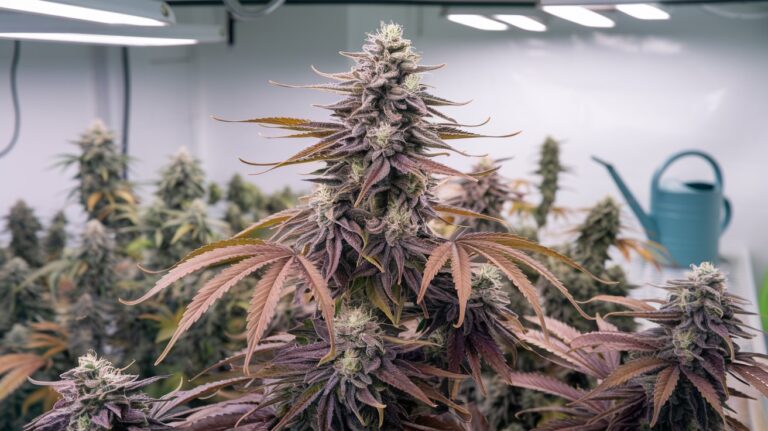
Indica strains typically produce relaxing, sedating effects that make them ideal for evening use and sleep support. These strains often feature higher CBD content and are characterized by their shorter, bushier plant structure. Popular indica varieties like Purple Kush and Afghan Kush are known for their body-focused effects that can help with pain relief, anxiety reduction, and insomnia management.
Sativa Strains Benefits
Sativa strains generally provide energizing, uplifting effects that enhance creativity and focus, making them suitable for daytime use. These varieties typically contain higher THC levels and lower CBD concentrations. Classic sativa strains like Sour Diesel and Golden Goat offer cerebral effects that can boost mood, increase energy levels, and promote social engagement without the heavy sedation associated with indica varieties.
Factors to Consider When Choosing Cannabis
Selecting the right cannabis strain involves evaluating multiple factors beyond just indica versus sativa classifications. Your individual tolerance level, consumption method, desired effects, and timing of use all play crucial roles in determining which strain will work best for your specific situation. Additionally, consider any medical conditions or medications that might interact with cannabis compounds.
Terpene profiles significantly impact both the flavor and effects of cannabis strains. These aromatic compounds work synergistically with cannabinoids to create what’s known as the entourage effect. Myrcene promotes relaxation, limonene enhances mood, and pinene may improve focus and alertness. Understanding terpene profiles helps predict how different strains might affect you personally.
Best Cannabis Strains for Beginners
New cannabis users should start with low-THC, balanced CBD strains to minimize the risk of overwhelming psychoactive effects. Strains with THC levels between 10-15% and notable CBD content provide gentle introduction to cannabis effects while maintaining therapeutic benefits. Popular beginner-friendly options include Harlequin, ACDC, and Charlotte’s Web.
Consider starting with micro-dosing techniques regardless of strain selection. Begin with the smallest possible amount and wait at least two hours before consuming more, especially with edibles. This approach allows you to gauge your individual response and avoid uncomfortable experiences that might discourage future use.
Low-Potency Strain Recommendations
Beginner-friendly strains include Northern Lights (indica), which offers mild relaxation without heavy sedation, and White Widow (hybrid), providing balanced effects suitable for various times of day. These classic varieties have been refined over decades to deliver consistent, predictable experiences that won’t overwhelm inexperienced users while still providing meaningful therapeutic and recreational benefits.
CBD-Dominant Options
High-CBD strains offer therapeutic benefits with minimal psychoactive effects, making them ideal for beginners seeking relief without intoxication. Varieties like Cannatonic and Remedy contain CBD-to-THC ratios of 2:1 or higher, providing anti-inflammatory and anxiety-reducing properties while maintaining mental clarity and functional capacity throughout the day.
Popular Cannabis Strains and Their Effects
Understanding specific strain profiles helps consumers make informed decisions based on desired outcomes. Premium strains like Acapulco Gold offer energizing sativa effects with citrusy flavors, while Granddaddy Purple provides potent indica relaxation with grape and berry notes. Each strain’s unique cannabinoid and terpene profile creates distinct effects and flavors.
Modern breeding techniques have produced designer strains targeting specific needs, from focus-enhancing varieties for productivity to sleep-promoting strains for insomnia management. LA Confidential exemplifies targeted breeding, offering potent indica effects specifically developed for stress relief and deep relaxation without excessive sedation.
High-THC Sativa Strains
Potent sativa strains like Green Crack and Durban Poison deliver intense cerebral effects with THC levels often exceeding 20%. These varieties provide sustained energy and mental clarity, making them popular among experienced users seeking enhanced creativity and productivity. However, high-THC sativas may cause anxiety in sensitive individuals or those new to cannabis.
Indica Powerhouse Strains
Heavy indica strains such as Kosher Kush and Master Kush offer profound relaxation and pain relief with THC concentrations reaching 25% or higher. These varieties excel at managing chronic pain, severe insomnia, and high stress levels, but their sedating effects make them unsuitable for daytime use or activities requiring mental acuity and physical coordination.
How to Evaluate Cannabis Quality
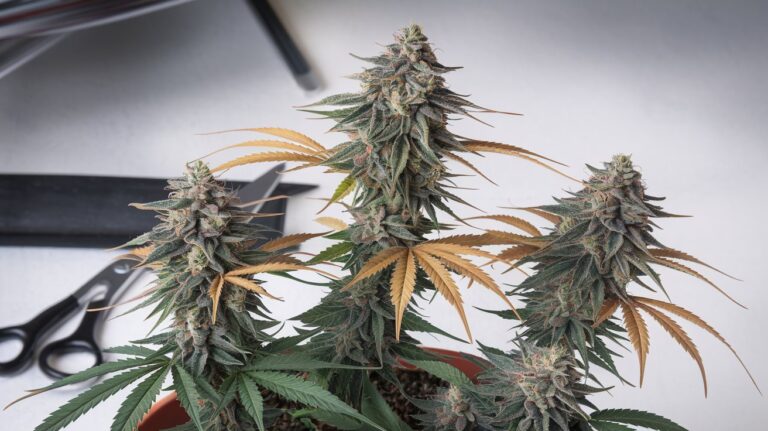
Quality cannabis assessment involves examining visual appearance, aroma intensity, and trichome coverage. Premium flower displays vibrant colors, dense trichome coverage, and strong, pleasant aromas without musty or chemical odors. Properly cured cannabis should feel slightly sticky but not overly moist, indicating optimal moisture content and proper storage conditions.
Laboratory testing provides objective quality metrics including cannabinoid potency, terpene profiles, and contaminant screening. Reputable dispensaries in legal states provide comprehensive lab results showing exact THC and CBD percentages, pesticide testing, and heavy metal screening. This information helps consumers make informed decisions and avoid potentially harmful products.
Consumption Methods and Strain Selection
Different consumption methods interact uniquely with various strains, affecting onset time, duration, and intensity of effects. Smoking or vaporizing provides immediate effects lasting 1-3 hours, while edibles take 30 minutes to 2 hours to activate but provide effects lasting 4-8 hours. These timing differences influence which strains work best for specific consumption methods.
Vaporizing preserves delicate terpenes better than combustion, allowing users to experience the full flavor and effect profile of premium strains. Temperature control in quality vaporizers enables targeting specific compounds, with lower temperatures (315-350°F) preserving more terpenes while higher temperatures (350-400°F) release more THC for stronger psychoactive effects.
Medical Cannabis Strain Selection
Medical cannabis patients require targeted strain selection based on specific conditions and symptoms. Chronic pain often responds well to indica-dominant strains with balanced THC/CBD ratios, while anxiety and depression may benefit from CBD-rich varieties or specific sativa strains with mood-enhancing terpene profiles like limonene and linalool.
Epilepsy and seizure disorders typically require high-CBD strains with minimal THC content, such as Charlotte’s Web or Epidiolex-approved varieties. Cancer patients undergoing chemotherapy often benefit from appetite-stimulating strains like Bubba Kush or nausea-reducing varieties with specific terpene combinations that address multiple symptoms simultaneously.
Pain Management Strains
Pain-relieving strains typically feature balanced cannabinoid profiles with significant CBD content and anti-inflammatory terpenes like myrcene and caryophyllene. Varieties like Blue Dream and OG Kush provide effective pain relief while maintaining some mental clarity, making them suitable for daytime use by patients managing chronic conditions.
Anxiety and Depression Relief
Mood-enhancing strains for anxiety and depression often feature moderate THC levels (10-18%) combined with terpenes like linalool and limonene. Jack Herer and Super Lemon Haze exemplify strains that can elevate mood and reduce anxiety without triggering paranoia or excessive psychoactive effects in sensitive individuals.
Legal Considerations and Access in 2025
As of 2025, recreational cannabis is legal in 23 states plus Washington D.C., while medical cannabis programs operate in 38 states. Understanding local regulations regarding possession limits, cultivation rights, and consumption locations is essential for legal compliance. Federal scheduling remains unchanged, creating complex legal landscapes that vary significantly between jurisdictions.
Licensed dispensaries provide regulated, tested products with consistent potency and safety standards that illegal sources cannot match. Many states now offer delivery services and online ordering systems that make legal access more convenient while ensuring product quality and safety through mandatory testing protocols.
Related video about how to choose cannabis
This video complements the article information with a practical visual demonstration.
Important things to know about how to choose cannabis
What kind of cannabis is right for me as a beginner?
Beginners should start with low-THC strains (10-15%) that include balanced CBD content. Consider indica-dominant hybrids like Northern Lights or CBD-rich varieties like Harlequin. Always start with small amounts and wait to assess effects before consuming more. Consult with dispensary staff about your goals and any concerns to receive personalized recommendations.
Do you prefer indica or sativa for different times of day?
Sativa strains are typically preferred for daytime use due to their energizing, focus-enhancing effects, while indica strains work better for evening relaxation and sleep preparation. However, individual responses vary, and many hybrid strains offer balanced effects suitable for various times. Consider your personal tolerance and desired outcomes when timing consumption.
What is the best cannabis for beginners to avoid anxiety?
Beginners prone to anxiety should choose high-CBD, low-THC strains like Charlotte’s Web, Cannatonic, or ACDC. These varieties provide therapeutic benefits with minimal psychoactive effects. Avoid high-THC sativas initially, as they may increase anxiety in sensitive individuals. Start with micro-doses and gradually increase as tolerance develops.
What type of cannabis gets you the most high?
High-THC sativa strains like Green Crack, Sour Diesel, or Durban Poison typically produce the most intense psychoactive effects. These varieties often contain 20-30% THC and deliver energizing cerebral highs. However, potency varies by individual tolerance, consumption method, and specific strain genetics. Always consume responsibly and know your limits.
How do I know if a cannabis strain is high quality?
Quality cannabis displays dense trichome coverage, vibrant colors, and strong pleasant aromas without mustiness. Properly cured flower feels slightly sticky but not overly moist. Always purchase from licensed dispensaries that provide lab testing results showing cannabinoid potency, terpene profiles, and contaminant screening for safety assurance.
Can I grow my own cannabis to ensure strain quality?
Home cultivation is legal in many states with recreational cannabis programs, typically allowing 3-6 plants per adult. Growing your own ensures strain authenticity and cultivation methods, but requires significant time, knowledge, and equipment investment. Check local regulations for plant limits, security requirements, and permitted growing locations before starting.
| Strain Type | Best For | Key Benefits |
|---|---|---|
| Indica | Evening use, relaxation, sleep | Pain relief, anxiety reduction, insomnia management |
| Sativa | Daytime use, productivity, socializing | Energy boost, creativity enhancement, mood elevation |
| Hybrid | Balanced effects, versatile use | Customized effects, reduced side effects, flexibility |
| High-CBD | Medical use, beginners, anxiety-prone | Therapeutic benefits, minimal psychoactive effects, safety |
| High-THC | Experienced users, intense effects | Maximum potency, strong recreational effects, efficient |