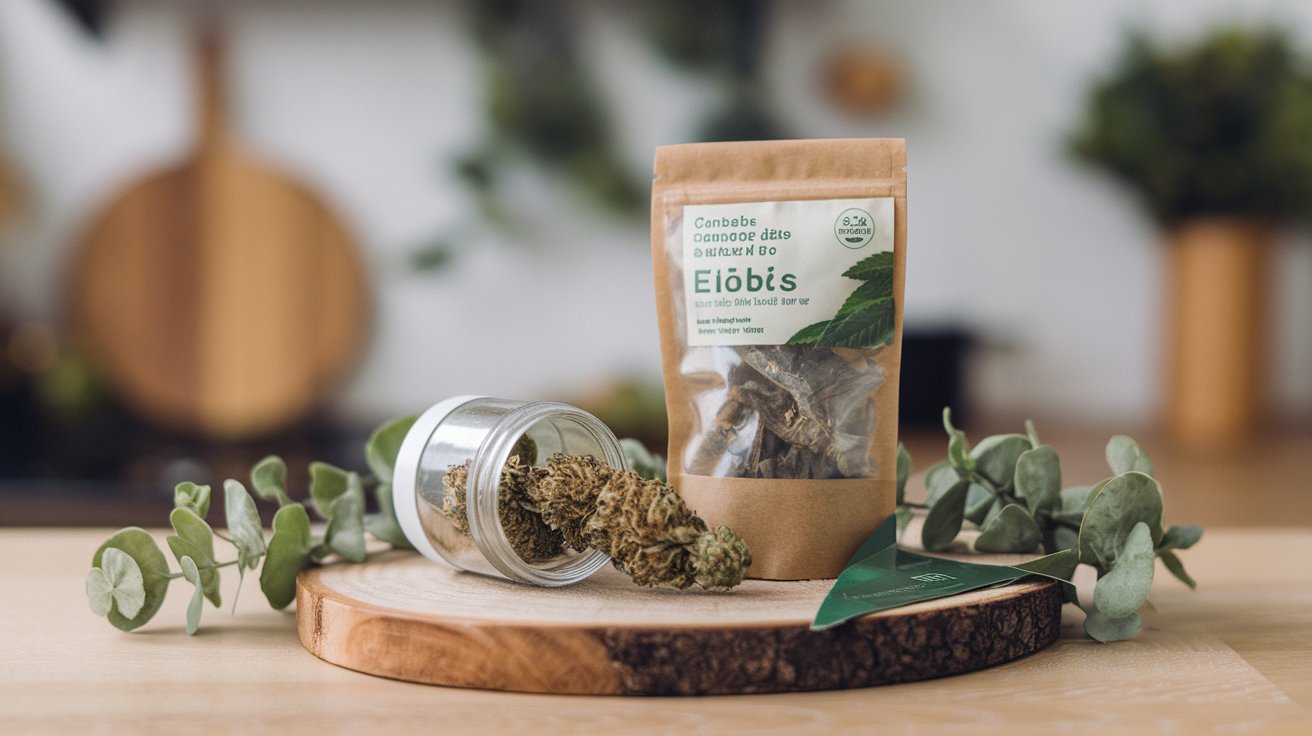
Dried Flower vs Edibles: Complete Guide 2025 | Effects & Uses
When choosing between dried flower and edibles, understanding their fundamental differences in onset time, duration, and effects is crucial for making an informed decision. Both consumption methods offer unique benefits, with dried flower providing faster relief and edibles delivering longer-lasting effects. This comprehensive guide explores the key differences to help you determine which option aligns best with your needs and lifestyle preferences.
Effects and Onset Time Comparison
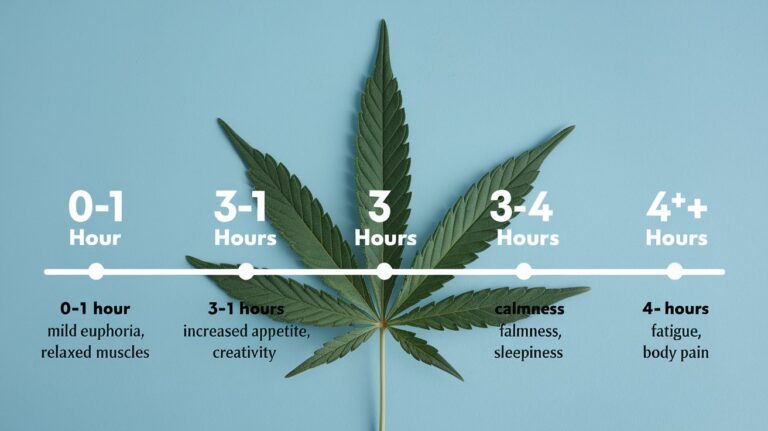
The most significant difference between dried flower and edibles lies in their onset times and effect duration. When smoking dried flower, users typically experience effects within 2-10 minutes, allowing for immediate dose control and rapid symptom relief. The peak effects occur within 30 minutes and generally last 1-3 hours, making it ideal for those seeking quick, manageable relief.
Edibles operate on a completely different timeline, with effects beginning 30 minutes to 2 hours after consumption. This delayed onset occurs because edibles must be digested and processed through the liver, where THC converts to 11-hydroxy-THC, a more potent metabolite. The effects can last 4-8 hours or longer, providing sustained relief but requiring patience and careful dosing to avoid overconsumption.
Bioavailability Differences
Smoking dried flower delivers higher bioavailability, with 10-35% of cannabinoids entering the bloodstream directly through the lungs. This efficient absorption contributes to the rapid onset and allows users to titrate their dose effectively by taking additional puffs as needed.
Metabolic Processing Variations
Edibles undergo first-pass metabolism in the liver, resulting in lower bioavailability (4-20%) but producing 11-hydroxy-THC, which creates more intense and body-focused effects. This metabolic process explains why edibles often produce different sensations compared to smoking, with users reporting stronger physical relaxation and sedation.
Health Impact Analysis
From a health perspective, edibles are generally considered safer for respiratory health since they eliminate the risks associated with smoke inhalation. Smoking dried flower exposes users to combustion byproducts, tar, and other potentially harmful compounds that can irritate the lungs and respiratory system over time.
Edibles provide a smoke-free alternative that appeals to health-conscious consumers and those with respiratory sensitivities. However, they present different challenges, including easier overconsumption due to delayed effects and potential gastrointestinal discomfort in sensitive individuals. The precise dosing available in regulated edible products also offers better control over cannabinoid intake compared to the variable potency of dried flower.
Dosing Guidelines and Equivalency
Understanding dosing equivalency between dried flower and edibles is crucial for safe consumption. A standard 10mg THC edible is often compared to smoking approximately 0.25-0.5 grams of dried flower with 20% THC content, though individual responses vary significantly based on tolerance, metabolism, and consumption method.
For beginners, starting with 2.5-5mg of edibles or a small puff of dried flower is recommended. The “start low and go slow” approach is particularly important with edibles due to their delayed onset. Experienced users should still exercise caution when switching between consumption methods, as the different pharmacokinetics can lead to unexpected effects even with familiar doses.
Microdosing Considerations
Microdosing with dried flower offers immediate feedback and easy dose adjustment, making it ideal for finding the minimum effective dose. Users can take a single puff and wait a few minutes to assess effects before consuming more.
Precise Edible Dosing
Regulated edibles provide precise dosing with clearly labeled THC and CBD content, allowing for consistent and predictable experiences. Many products offer low-dose options (2.5mg) specifically designed for microdosing and new users seeking controlled experiences.
Lifestyle and Convenience Factors
Lifestyle considerations play a significant role in choosing between dried flower and edibles. Dried flower requires additional equipment such as grinders, pipes, or vaporizers, and produces noticeable odors that may not be suitable for discreet consumption. The immediate effects make it ideal for situational use when quick relief is needed.
Edibles offer superior discretion and convenience, appearing and tasting like regular food products while providing no telltale odors. They’re perfect for public settings, travel (where legal), and situations requiring long-lasting effects without repeated dosing. However, the delayed onset makes them less suitable for immediate symptom relief or situations requiring precise timing of effects.
Cost Effectiveness Analysis
From an economic standpoint, dried flower typically offers better value for frequent users due to lower per-dose costs and the ability to consume precise amounts without waste. A gram of quality dried flower can provide multiple sessions, with effects that users can control and adjust in real-time.
Edibles may have higher upfront costs but provide longer-lasting effects, potentially offering better value for users seeking sustained relief. The precise dosing eliminates waste from overconsumption, and the extended duration means fewer doses are needed throughout the day compared to smoking dried flower.
Long-term Cost Considerations
Heavy users often find dried flower more economical over time, especially when purchased in larger quantities. The ability to control intake precisely and the immediate feedback mechanism help prevent waste and overconsumption.
Premium Product Pricing
High-quality edibles command premium prices due to manufacturing processes, testing requirements, and specialized ingredients. However, their longer duration and precise dosing can justify the higher cost for users prioritizing convenience and consistency.
Medical Applications and Therapeutic Benefits
Medical cannabis patients often prefer dried flower for acute symptom management due to its rapid onset and ability to provide immediate relief. Conditions requiring fast-acting treatment, such as severe nausea, acute pain episodes, or anxiety attacks, benefit from the quick response time of inhaled cannabinoids.
Edibles excel for chronic condition management where sustained relief is more important than immediate onset. Patients with chronic pain, sleep disorders, or conditions requiring steady cannabinoid levels throughout the day often prefer edibles for their consistent, long-lasting effects. The absence of respiratory irritation makes them suitable for patients with compromised lung function or those who cannot smoke for medical reasons.
Tolerance and Dependence Patterns
Tolerance development differs between dried flower and edibles due to their distinct pharmacokinetic profiles. Regular smoking can lead to rapid tolerance buildup, particularly to the psychoactive effects, as the frequent spikes in blood cannabinoid levels trigger faster receptor downregulation.
Edibles may contribute to tolerance more gradually but can create stronger physical dependence due to their longer duration and the more potent 11-hydroxy-THC metabolite. The sustained blood levels from edibles can lead to more persistent receptor activation, potentially requiring longer tolerance breaks to reset sensitivity levels.
Legal and Regulatory Considerations 2025
In 2025, the legal landscape for dried flower and edibles varies significantly across US states, with 24 states plus DC allowing adult recreational use and 38 states permitting medical use. Many jurisdictions impose different regulations on flower versus edibles, with stricter limits on edible potency and packaging requirements.
Edibles face more stringent regulations regarding manufacturing, testing, and labeling due to their appeal to children and potential for accidental consumption. Many states require child-resistant packaging, clear dosing information, and distinctive appearance to differentiate them from regular food products. Dried flower regulations typically focus on cultivation, testing for contaminants, and retail sale restrictions rather than manufacturing processes.
Related video about dried flower vs edibles
This video complements the article information with a practical visual demonstration.
Key Questions and Answers
What gets you higher, edibles or flowers?
Edibles can produce more intense and longer-lasting effects due to the conversion of THC to 11-hydroxy-THC in the liver, which is more potent than regular THC. However, smoking dried flower provides faster onset and easier dose control. The perceived intensity depends on individual tolerance, dosage, and consumption method preferences.
Are edibles healthier than smoking flowers?
Edibles are generally considered healthier for respiratory health as they eliminate smoke inhalation and combustion byproducts. They don’t expose users to tar, carbon monoxide, or other harmful compounds produced by burning plant material. However, edibles carry risks of overconsumption and may cause gastrointestinal discomfort in some users.
Is a 10mg edible equivalent to a joint?
A 10mg THC edible is roughly equivalent to smoking 0.25-0.5 grams of dried flower with 20% THC content. However, this comparison is imprecise due to different absorption rates, metabolism, and the fact that edibles produce 11-hydroxy-THC, which creates different effects than smoking. Individual responses vary significantly.
Do edibles give you the same feeling as smoking?
Edibles produce different effects than smoking due to metabolic processing in the liver, which creates 11-hydroxy-THC instead of regular THC. Users typically report more body-focused, sedating effects with edibles compared to the more cerebral effects of smoking. The onset is slower but duration is much longer with edibles.
How long should I wait between edible doses?
Wait at least 2-4 hours before taking additional edibles, as effects can take up to 2 hours to fully manifest. Many users make the mistake of taking more too quickly, leading to uncomfortable overconsumption. Start with 2.5-5mg for beginners and increase gradually over multiple sessions, not within the same session.
Can I switch from smoking to edibles safely?
Yes, but start with low doses (2.5-5mg) even if you have high smoking tolerance. The different pharmacokinetics mean your smoking tolerance doesn’t directly translate to edible tolerance. Begin with small amounts and gradually increase over several days to find your optimal edible dose while avoiding overconsumption.
| Aspect | Dried Flower | Edibles |
|---|---|---|
| Onset Time | 2-10 minutes | 30 minutes – 2 hours |
| Duration | 1-3 hours | 4-8 hours |
| Bioavailability | 10-35% | 4-20% |
| Health Impact | Respiratory risks | Smoke-free, safer |
| Discretion | Noticeable odor | Highly discreet |