Dispensary Loyalty Programs Explained: 2025 Complete Guide
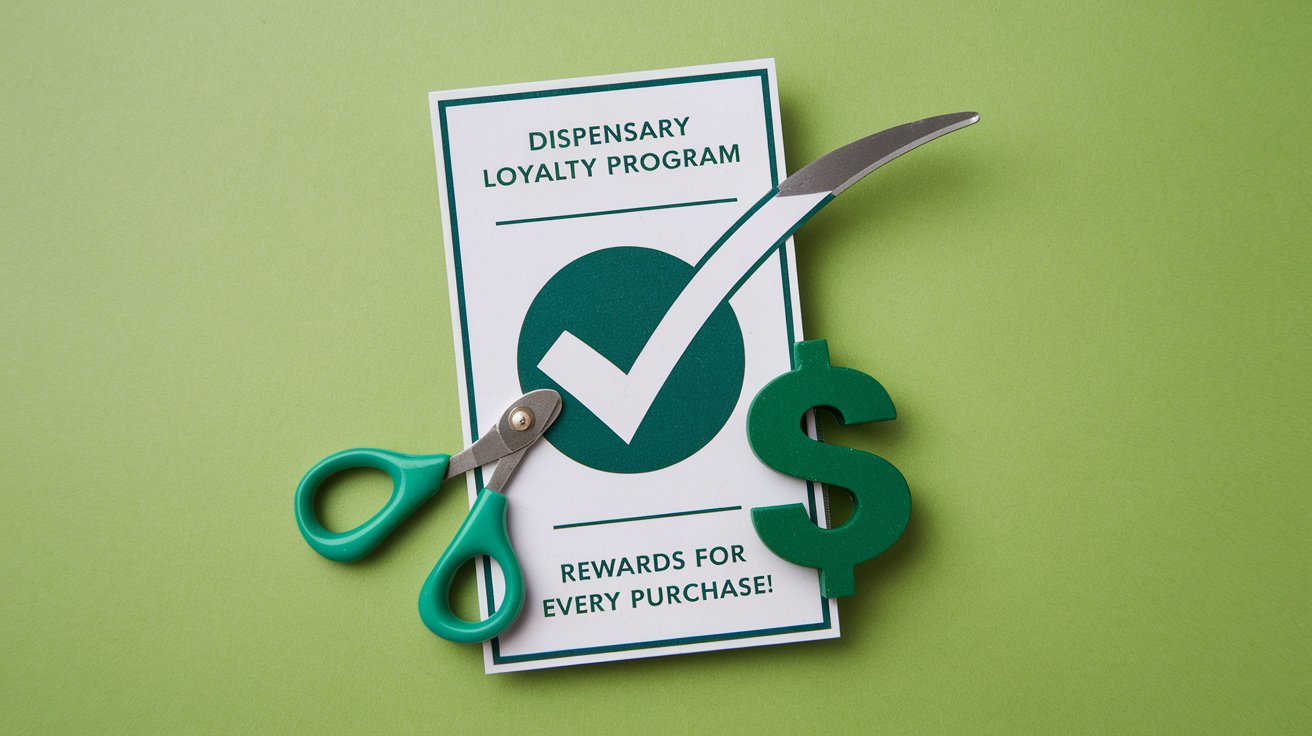
Dispensary loyalty programs explained in simple terms: these are structured reward systems that cannabis retailers use to incentivize repeat purchases and build customer relationships. With the US cannabis market projected to reach $57 billion by 2025, understanding loyalty programs is crucial for both dispensaries and consumers navigating this evolving landscape.
Types of Dispensary Loyalty Programs
Points-based loyalty programs are the most common type in the cannabis industry, allowing customers to earn points for every dollar spent. These programs typically offer 1-5 points per dollar, with 100 points equaling $1-5 in rewards. Recreational dispensary loyalty programs often feature higher point values than medical programs due to different tax structures and profit margins.
Tier-based systems create multiple membership levels, with best dispensary loyalty programs offering exclusive benefits at higher tiers. These programs incentivize increased spending by providing better rewards as customers advance through bronze, silver, and gold levels.
Points-Based Reward Systems
Points-based systems dominate the dispensary loyalty programs landscape, with 78% of US dispensaries using this model as of 2024. Customers typically earn 1 point per dollar spent, though premium programs offer up to 5 points per dollar. These programs work by accumulating points that convert to discounts, free products, or exclusive merchandise.
Tier-Based Membership Programs
Tier-based loyalty programs create graduated benefits that increase with customer spending levels. Bronze members might receive 2% cashback, while platinum members enjoy 10% discounts and early access to new products. This structure encourages higher spending and creates a sense of exclusivity that drives customer retention.
How Cannabis Loyalty Programs Work
Understanding how loyalty programs work in the cannabis industry requires knowledge of both customer behavior and regulatory compliance. These programs track purchases through point-of-sale systems, automatically crediting accounts with earned rewards. Customers can redeem points during checkout, receiving instant discounts or free products based on their accumulated balance.
The loyalty program mechanics involve sophisticated tracking systems that monitor spending patterns, preferred products, and visit frequency. This data helps dispensaries personalize offerings and predict customer needs, creating a more tailored shopping experience.
The Three R’s of Customer Loyalty
What are the three R’s of loyalty programs in the cannabis industry? They are Recognition, Rewards, and Relevance. Recognition involves acknowledging customer preferences and purchase history to create personalized experiences. Rewards provide tangible benefits that motivate continued patronage, while Relevance ensures offers match customer interests and consumption patterns.
Recognition and Customer Data
Recognition in dispensary loyalty programs goes beyond simple name identification. Advanced programs track product preferences, consumption patterns, and seasonal buying habits. This data enables budtenders to make informed recommendations and creates a more personalized shopping experience that builds customer trust and satisfaction.
Rewards Structure and Value
Effective rewards in cannabis loyalty programs provide genuine value without cannibalizing profits. The most successful programs offer 3-8% value back to customers through discounts, free products, or exclusive access. This balance ensures customer satisfaction while maintaining healthy profit margins for dispensary operations.
Legal Compliance and Regulatory Considerations
Cannabis loyalty programs must navigate complex state regulations that vary significantly across the US. Programs cannot cross state lines due to federal prohibition, requiring separate systems for multi-state operators. Additionally, marketing restrictions limit how dispensaries can promote their reward programs, often prohibiting advertising that targets minors or makes unsubstantiated health claims.
Compliance requirements include seed-to-sale tracking integration, ensuring all rewarded products remain within state monitoring systems. Some states prohibit giving away cannabis products entirely, limiting rewards to discounts or merchandise only. Understanding these regulations is crucial for dispensary loyalty programs explained properly.
Customer Benefits and Value Proposition
Customers participating in dispensary loyalty programs typically save 5-15% on their annual cannabis purchases. Beyond immediate savings, these programs offer early access to new products, exclusive strain releases, and educational events. Many programs also provide birthday rewards, referral bonuses, and double-point days that maximize customer value.
The psychological benefits include feeling valued as a customer and building relationships with budtenders who understand individual preferences. This personal connection often leads to better product recommendations and a more satisfying overall cannabis experience.
Financial Savings and Discounts
Active loyalty program members save an average of $300-800 annually on cannabis purchases, depending on consumption levels and program generosity. Premium tier members often receive 10-20% discounts on regular purchases, plus exclusive pricing on bulk orders and premium products.
Exclusive Access and Perks
Beyond monetary savings, loyalty programs provide access to limited-edition strains, early product launches, and member-only events. These exclusive benefits create a sense of community and belonging that transcends simple transactional relationships, fostering long-term customer loyalty.
Common Loyalty Program Pitfalls
Understanding when loyalty programs can backfire helps both dispensaries and customers maximize program effectiveness. Programs fail when rewards take too long to earn, have complicated redemption processes, or provide insufficient value relative to spending requirements. Poor communication about program changes or expirations also damages customer relationships.
Some customers view loyalty programs as just a marketing ploy when dispensaries use them primarily for data collection without providing meaningful rewards. Successful programs balance business objectives with genuine customer value, ensuring mutual benefit rather than one-sided data harvesting.
Maximizing Loyalty Program Benefits
Smart customers maximize loyalty program benefits by understanding program mechanics and timing purchases strategically. Shopping during double-point promotions, combining discounts with sales, and referring friends can significantly increase reward earnings. Staying informed about program updates and tier advancement requirements ensures optimal benefit utilization.
Dispensaries can enhance program effectiveness by regularly communicating with members, offering personalized deals, and continuously refining reward structures based on customer feedback and purchasing data.
Related video about dispensary loyalty programs explained
This video complements the article information with a practical visual demonstration.
FAQ – Common Questions
Are loyalty programs just a marketing ploy?
While loyalty programs do serve marketing purposes, legitimate cannabis loyalty programs provide genuine value to customers through discounts, exclusive access, and personalized service. The key is finding programs that balance business objectives with meaningful customer benefits, typically saving members 5-15% annually on purchases.
How does the loyalty program work in dispensaries?
Dispensary loyalty programs work by tracking customer purchases through point-of-sale systems, automatically crediting accounts with points or rewards. Customers earn points for dollars spent (typically 1-5 points per dollar), which can be redeemed for discounts, free products, or exclusive merchandise during checkout.
What are the three R’s of loyalty programs?
The three R’s of loyalty programs are Recognition (acknowledging customer preferences), Rewards (providing tangible benefits), and Relevance (ensuring offers match customer interests). These principles help dispensaries create meaningful programs that build lasting customer relationships rather than simple transactional interactions.
Can loyalty programs backfire for dispensaries?
Yes, loyalty programs can backfire when they’re poorly designed or executed. Common failures include insufficient reward value, complicated redemption processes, poor communication about changes, or focusing solely on data collection without providing customer benefits. Successful programs balance business goals with genuine customer value.
Do recreational and medical dispensary loyalty programs differ?
Recreational and medical dispensary loyalty programs often differ in structure and benefits due to varying tax implications, profit margins, and customer needs. Medical programs may focus more on compassionate pricing and consistent product access, while recreational programs typically emphasize lifestyle benefits and experiential rewards.
What are the best practices for dispensary loyalty programs?
Best practices include offering 3-8% value back to customers, maintaining simple redemption processes, ensuring regulatory compliance across all jurisdictions, personalizing offers based on purchase history, and regularly communicating program updates. Successful programs also provide exclusive access to new products and educational resources.
| Program Type | Key Features | Customer Benefit |
|---|---|---|
| Points-Based | 1-5 points per dollar spent | 5-10% average savings |
| Tier-Based | Bronze, Silver, Gold levels | Exclusive access and higher discounts |
| Hybrid Programs | Points + tier benefits combined | Maximum value and personalization |
| Referral Systems | Rewards for new customer referrals | Bonus points and community building |