Different Cannabis Product Types: Complete Guide 2025
Understanding different cannabis product types is essential for navigating the expanding legal cannabis market in the United States. With over 38 states having legalized cannabis for medical or recreational use as of 2025, consumers now have access to an unprecedented variety of cannabis products ranging from traditional flower to innovative concentrates and edibles.
Understanding Cannabis Product Categories
The cannabis products available in US dispensaries fall into several distinct categories, each offering unique consumption methods and effects. The most common cannabis products include flower, concentrates, edibles, tinctures, and vape products, with each category containing numerous subcategories. According to 2024 industry data, cannabis flower remains the most popular product type, accounting for approximately 45% of total cannabis sales nationwide.
Modern dispensary items list typically includes over 100 different product variations, reflecting the industry’s rapid innovation and consumer demand for diverse consumption options. These products differ significantly in potency, onset time, duration of effects, and consumption methods, making it crucial for consumers to understand their options before making purchasing decisions.
THC vs CBD Product Differences
The fundamental difference between cannabis products lies in their cannabinoid profiles, primarily THC (tetrahydrocannabinol) and CBD (cannabidiol). THC products produce psychoactive effects and are popular for recreational use, while CBD products offer therapeutic benefits without intoxication. Many modern cannabis product types combine both cannabinoids in various ratios to create specific effects profiles.
Sativa, Indica, and Hybrid Classifications
Traditional cannabis classification includes sativa, indica, and hybrid varieties, though modern research suggests terpene profiles are more important than strain classification. Sativa-dominant products are often marketed for daytime use, while indica-dominant products are positioned for evening consumption. Hybrid products combine characteristics from both categories.
Cannabis Flower Products
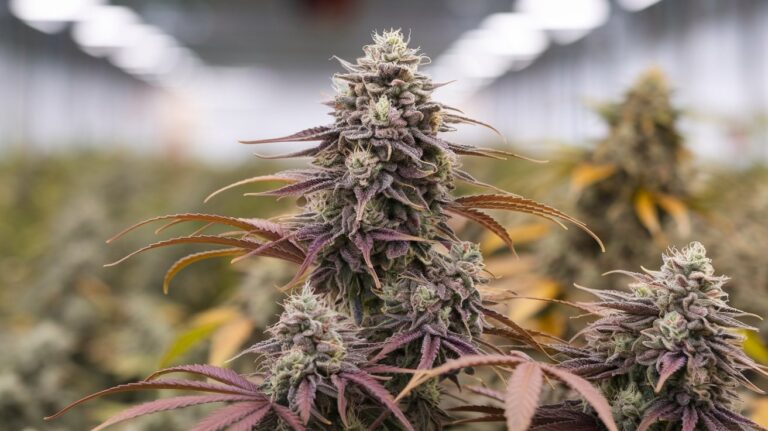
Cannabis flower remains the foundation of the cannabis industry and represents the traditional form of cannabis consumption. Available in various sizes from single grams to full ounces, flower products offer the full spectrum of cannabinoids and terpenes in their natural form. Premium flower in US dispensaries typically ranges from $8-15 per gram, with craft cannabis commanding higher prices.
Quality cannabis flower is characterized by proper curing, optimal moisture content, and rich terpene profiles. Indoor-grown flower generally commands premium prices due to controlled growing conditions, while outdoor and greenhouse flower offer more affordable options. Pre-rolls and blunts have become increasingly popular convenience options, with pre-roll sales growing 35% in 2024.
Cannabis Concentrates and Extracts
Cannabis concentrates represent the fastest-growing segment of the cannabis market, with sales increasing 42% year-over-year in 2024. These products contain concentrated cannabinoids and terpenes, offering potencies ranging from 60-95% THC compared to flower’s typical 15-30% range. Popular concentrate types include shatter, wax, live resin, rosin, and distillate.
The extraction process significantly impacts concentrate quality and price points. Solventless extracts like rosin command premium prices ($60-100 per gram), while distillate products offer affordable potency ($20-40 per gram). Live resin and live rosin products preserve terpene profiles from fresh-frozen plants, creating full-spectrum experiences highly valued by connoisseurs.
Solvent-Based Extracts
Solvent-based cannabis extracts use hydrocarbons, CO2, or ethanol to separate cannabinoids from plant material. These methods produce consistent, potent products including shatter, wax, budder, and distillate. Professional extraction facilities ensure solvent removal meets strict state safety standards.
Solventless Concentrates
Solventless concentrates use heat, pressure, or ice water to extract cannabinoids without chemical solvents. Hash rosin and bubble hash represent premium solventless options, often preferred by health-conscious consumers. These products typically retain more terpenes and offer cleaner consumption experiences.
Cannabis Vape Products
Vape products have revolutionized cannabis consumption, offering discrete, convenient, and precisely dosed experiences. Cannabis vape cartridges filled with distillate or live resin oil attach to standard 510-thread batteries, while disposable vape pens offer single-use convenience. The vape market generated over $4.2 billion in sales across legal US states in 2024.
Quality vape products use CO2 or hydrocarbon extraction methods to create clean, potent oils. Live resin vapes preserve fresh plant terpenes, while distillate vapes offer consistent potency and flavor options. Pod-based systems like PAX Era provide premium vaping experiences with app connectivity and precise temperature control.
Cannabis Edibles and Infused Products
Cannabis edibles provide long-lasting effects through oral consumption, with onset times of 30-120 minutes and duration of 4-8 hours. The edibles market has expanded beyond traditional brownies and gummies to include beverages, chocolates, mints, and savory products. Precise dosing regulations require products to contain specific amounts, typically 2.5mg, 5mg, or 10mg THC per serving.
Modern edibles utilize advanced extraction and formulation techniques to ensure consistent dosing and faster onset times. Nano-emulsion technology can reduce onset times to 15-30 minutes, while traditional edibles provide sustained effects preferred by medical patients. The edibles market represents approximately 15% of total cannabis sales, with continued growth projected through 2025.
Sweet Edible Options
Sweet cannabis edibles include gummies, chocolates, cookies, and candies that mask cannabis taste while providing precise dosing. Gummies represent the most popular edible format, accounting for over 60% of edible sales. Premium chocolate products often incorporate single-origin cacao and artisanal ingredients.
Cannabis Beverages
Cannabis-infused beverages have emerged as a rapidly growing category, offering social consumption alternatives to alcohol. Cannabis drinks include sodas, seltzers, teas, and coffee products with fast-acting formulations. The beverage market is projected to reach $2.8 billion by 2025.
Cannabis Tinctures and Oils
Cannabis tinctures offer sublingual consumption with rapid onset and precise dosing capabilities. These alcohol or oil-based extracts provide 15-45 minute onset times when held under the tongue, making them popular among medical patients seeking consistent effects. Tinctures typically range from 100-1000mg total cannabinoids per bottle.
Full-spectrum tinctures preserve the complete cannabinoid and terpene profile, while isolate tinctures contain only specific cannabinoids. MCT oil-based tinctures offer better bioavailability than alcohol-based versions, while flavored products improve palatability for regular users.
Topical Cannabis Products
Cannabis topicals provide localized relief without psychoactive effects, making them suitable for targeted pain and inflammation management. Cannabis balms, lotions, and patches deliver cannabinoids through skin absorption. The topicals market has grown 28% annually as consumers discover non-intoxicating therapeutic applications.
Transdermal patches offer controlled cannabinoid release over 8-12 hours, while balms and lotions provide immediate application for specific areas. Luxury spa products incorporate premium ingredients and sophisticated formulations targeting wellness-conscious consumers.
Emerging Cannabis Product Innovation
The cannabis industry continues innovating with new product types including water-soluble powders, sublingual strips, and targeted delivery systems. Nanotechnology enables faster onset times and improved bioavailability across multiple product categories. These innovations address consumer demands for precise dosing, rapid effects, and discrete consumption methods.
Personalized cannabis products based on genetic testing and individual tolerance levels represent the future of the industry. Smart packaging with QR codes provides detailed lab results and consumption guidance, while subscription services deliver customized products based on user preferences and consumption patterns.
Related video about different cannabis product types
This video complements the article information with a practical visual demonstration.
Frequently Asked Questions
What are the most popular cannabis product types in the US?
The most popular cannabis products in the US include flower (45% of sales), concentrates (25%), vape cartridges (20%), and edibles (15%). Flower remains the top choice due to its versatility, while vape products are gaining popularity among new consumers seeking discrete consumption options.
Are blunts and edibles the most popular kinds of cannabis products?
While blunts and edibles are popular, flower and vape cartridges actually dominate sales. Blunts represent a subset of flower consumption, while edibles account for approximately 15% of total market share. Vape products have surpassed edibles in popularity due to convenience and precise dosing.
What are the main differences between cannabis product types?
Cannabis products differ in consumption method, onset time, duration, and potency. Flower offers immediate effects lasting 1-3 hours, edibles provide 4-8 hour duration with delayed onset, concentrates deliver high potency, while tinctures offer precise dosing with moderate onset times.
How do I choose the right cannabis product type for me?
Choose cannabis products based on desired effects, experience level, and consumption preferences. Beginners should start with low-dose edibles or tinctures, experienced users may prefer concentrates or flower, while discrete consumption favors vape cartridges or sublingual products.
What cannabis products are available at dispensaries?
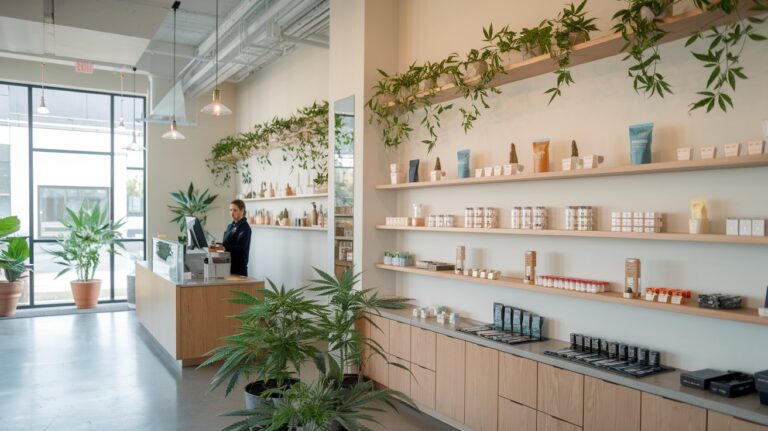
Dispensaries typically stock flower, pre-rolls, concentrates, vape cartridges, edibles, tinctures, topicals, and accessories. Product selection varies by state regulations and local market preferences, with most dispensaries carrying 50-200 different products across all categories.
Which cannabis product types have the fastest onset?
Smoking flower and vaping provide immediate onset (1-5 minutes), followed by tinctures held sublingually (15-45 minutes). Nano-emulsion edibles can work in 15-30 minutes, while traditional edibles take 30-120 minutes. Topicals work locally within 15-45 minutes without psychoactive effects.
| Product Type | Onset Time | Duration | Best For |
|---|---|---|---|
| Cannabis Flower | 1-5 minutes | 1-3 hours | Traditional experience, immediate effects |
| Concentrates | 1-5 minutes | 2-4 hours | High potency, experienced users |
| Vape Products | 1-5 minutes | 1-3 hours | Discrete use, precise dosing |
| Edibles | 30-120 minutes | 4-8 hours | Long-lasting effects, beginners |
| Tinctures | 15-45 minutes | 2-6 hours | Precise dosing, medical use |
| Topicals | 15-45 minutes | 2-4 hours | Localized relief, no psychoactive effects |