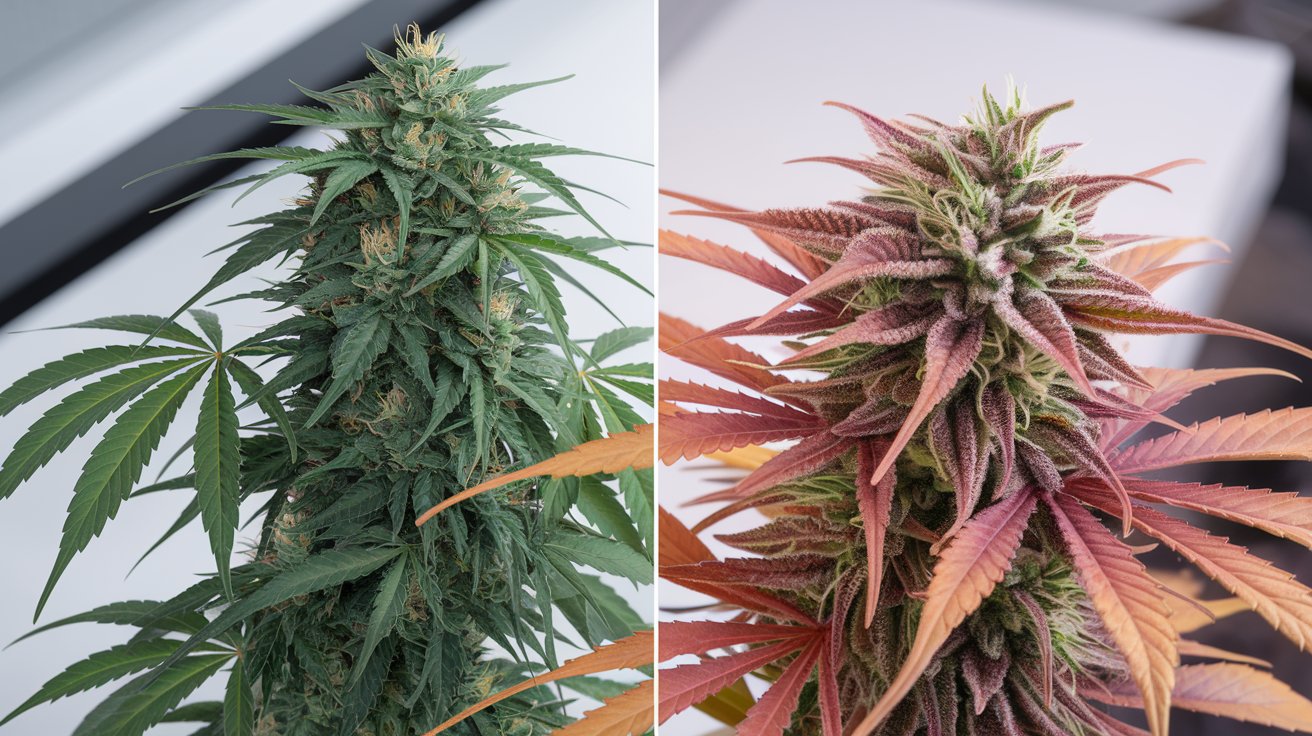
CBD vs THC Effects: Complete 2025 Guide & Differences
Understanding CBD vs THC effects is crucial as cannabis compounds become increasingly available across the United States in 2025. While both CBD (cannabidiol) and THC (tetrahydrocannabinol) originate from the same cannabis plant, their effects on your body and mind differ dramatically. CBD provides therapeutic benefits without intoxication, while THC makes you high through direct interaction with brain receptors, creating the psychoactive experience most people associate with cannabis use.
How CBD and THC Affect Your Brain Differently
The fundamental difference between CBD and THC lies in how they interact with your brain’s endocannabinoid system. THC directly binds to CB1 receptors in your brain, creating the euphoric high and altered perception that defines cannabis intoxication. This direct binding explains what makes people high when using THC products, as it triggers dopamine release and affects memory, coordination, and time perception.
CBD works differently by not directly binding to CB1 receptors. Instead, it modulates these receptors indirectly and influences other neurotransmitter systems including serotonin and GABA. This mechanism allows CBD to provide therapeutic effects like reduced anxiety and pain relief without causing intoxication. Research from 2024 shows that CBD can actually counteract some of THC’s psychoactive effects when used together.
THC’s Psychoactive Mechanism
THC creates its high by mimicking anandamide, a natural brain chemical that regulates mood, appetite, and pain sensation. When THC floods your CB1 receptors, it overwhelms your natural endocannabinoid system, leading to the characteristic effects: altered thinking, memory impairment, increased appetite, and euphoria. Peak effects typically occur 30 minutes to 2 hours after consumption, depending on the method used.
CBD’s Non-Intoxicating Effects
CBD does not make you high because it actually has low affinity for CB1 receptors and can act as an antagonist, blocking THC’s binding when present. Instead, CBD influences over 60 molecular targets in your body, including serotonin receptors (reducing anxiety), vanilloid receptors (managing pain), and adenosine receptors (promoting sleep). This complex interaction profile explains why CBD provides therapeutic benefits without impairment.
Immediate Effects: How Each Compound Makes You Feel
When comparing how CBD makes you feel compared to THC, the differences become immediately apparent within minutes of consumption. THC produces noticeable psychoactive effects including euphoria, relaxation, altered time perception, increased sociability, and often heightened sensory experiences. Users frequently report feeling creative, giggly, or introspective, though effects vary significantly based on strain, dosage, and individual tolerance.
CBD effects feel more subtle and therapeutic rather than recreational. Most users report feeling calmer, more focused, and physically relaxed without mental impairment. You might notice reduced anxiety, decreased inflammation, or improved sleep quality over time rather than immediate dramatic changes. CBD’s effects build gradually and are often more noticeable by their absence when you stop using it.
Do You Feel a Buzz from CBD?
The question do you feel a buzz from CBD is common among new users. CBD typically does not produce a traditional “buzz” or high, but many users report a subtle sense of well-being, reduced stress, and physical relaxation. Some describe it as feeling more balanced or centered rather than intoxicated. High-quality CBD products may produce mild euphoria in sensitive individuals, but this is distinctly different from THC’s psychoactive buzz.
THC High vs CBD Calm
THC gets you high through direct psychoactive effects that can include red eyes, dry mouth, increased heart rate, and impaired coordination alongside euphoria. These effects can last 2-8 hours depending on consumption method. CBD provides what users describe as a “body calm” – reduced muscle tension, decreased anxiety, and improved mood without cognitive impairment or the classic marijuana high symptoms.
Available Forms and Consumption Methods
Both CBD and THC products are available in numerous forms across legal US states in 2025, each offering different onset times and duration of effects. Smoking and vaping provide the fastest onset (2-5 minutes) but shortest duration (2-3 hours), while edibles take longer to work (30-120 minutes) but last much longer (4-8 hours). Understanding these differences helps optimize your experience with either compound.
The difference between CBD and THC edibles is particularly significant for new users. CBD edibles provide sustained therapeutic effects without intoxication, making them suitable for daily use and professional environments. THC edibles produce longer-lasting psychoactive effects that can be overwhelming for inexperienced users, especially since it’s easy to overconsume when effects are delayed.
CBD Product Options
CBD products available in the US include oils and tinctures (most popular for precise dosing), capsules (convenient for daily use), topicals (for localized relief), edibles (long-lasting effects), and vape products (fast onset). Full-spectrum CBD contains trace amounts of THC (under 0.3%), broad-spectrum contains other cannabinoids without THC, and isolate contains pure CBD only.
THC Product Varieties
THC products range from traditional flower (varying potency levels) to concentrated forms like wax, shatter, and live resin. Edibles include gummies, chocolates, and beverages with precisely measured doses. Modern dispensaries offer products with specific CBD to THC ratios, allowing users to customize their experience and minimize unwanted psychoactive effects while maximizing therapeutic benefits.
Therapeutic Benefits and Medical Applications
CBD benefits are extensively documented in peer-reviewed research, with FDA approval for Epidiolex (CBD medication for epilepsy) validating its medical potential. Clinical studies show CBD effectively treats anxiety disorders, chronic pain, inflammation, insomnia, and neurodegenerative conditions. Unlike THC, CBD doesn’t cause tolerance or dependence, making it suitable for long-term therapeutic use without dosage escalation.
THC medical benefits include appetite stimulation (crucial for cancer and HIV patients), nausea reduction, pain relief, and muscle relaxation. However, THC’s psychoactive effects limit its medical applications compared to CBD. Some conditions respond better to combined CBD and THC therapy, where CBD moderates THC’s intoxicating effects while enhancing therapeutic benefits through the “entourage effect.”
CBD for Anxiety and Stress
Research consistently shows CBD vs THC for anxiety favor CBD as the preferred treatment option. CBD reduces anxiety without impairment, making it suitable for daily use and professional settings. Studies indicate CBD works through serotonin pathways, similar to prescription anxiety medications but with fewer side effects. THC can actually increase anxiety in some users, particularly at higher doses or in anxiety-prone individuals.
Pain Management Applications
Both compounds offer pain relief benefits, but through different mechanisms. CBD reduces inflammation and modulates pain signals without intoxication, making it ideal for chronic conditions requiring daily treatment. THC provides more immediate pain relief through CB1 receptor activation but comes with psychoactive effects that may interfere with daily activities. Many patients find optimal results using balanced CBD-THC ratios.
Legal Status and Regulations in 2025
The legal landscape for CBD and THC differs significantly across the United States in 2025. Hemp-derived CBD containing less than 0.3% THC is federally legal under the 2018 Farm Bill, available in all 50 states through various retailers. However, THC legality varies dramatically by state, with recreational cannabis legal in 24 states plus Washington DC, medical marijuana legal in 38 states, and complete prohibition remaining in several states.
State regulations continue evolving rapidly, with several states implementing new cannabis laws in 2024-2025. Even in legal states, THC products face restrictions on possession limits, public consumption, and driving under the influence. CBD products, while federally legal, still face regulatory uncertainty from the FDA regarding health claims and food additive status.
Federal vs State Cannabis Laws
Federal cannabis policy maintains THC as a Schedule I controlled substance despite growing state legalization. This creates banking, research, and interstate commerce challenges for cannabis businesses. CBD exists in a legal gray area federally – legal when hemp-derived but restricted in food products and dietary supplements. Individual states can impose stricter regulations on both compounds regardless of federal status.
Workplace and Drug Testing Considerations
The question can CBD cause you to fail a drug test concerns many users. Pure CBD isolate products shouldn’t trigger positive tests, but full-spectrum CBD products containing trace THC amounts can accumulate and cause positive results with regular use. Standard drug tests screen for THC metabolites, not CBD, but cross-contamination and mislabeling in unregulated CBD products pose risks for employment drug screening.
Side Effects and Safety Profiles
CBD side effects are generally mild and well-tolerated by most users. Common adverse effects include fatigue, changes in appetite, diarrhea, and potential drug interactions with blood thinners and seizure medications. CBD can affect liver enzymes responsible for metabolizing other medications, making medical supervision important for patients on multiple prescriptions. Research shows no evidence of addiction potential or serious long-term health risks with CBD use.
THC side effects are more pronounced due to its psychoactive nature. Short-term effects include impaired memory and coordination, anxiety or paranoia (especially in high doses), dry mouth, red eyes, and increased heart rate. Long-term heavy THC use may lead to tolerance, dependence, and potential cognitive impacts, particularly concerning for adolescent users whose brains are still developing.
Is THC Bad for You?
The question is THC bad for you depends on usage patterns, individual health factors, and age. Moderate adult use appears relatively safe for most people, but heavy daily use can lead to cannabis use disorder (affecting about 9% of users). Smoking THC poses respiratory risks similar to tobacco, while edibles eliminate lung concerns but can cause overconsumption. Pregnant women and adolescents should avoid THC due to potential developmental impacts.
Drug Interactions and Medical Considerations
Both CBD and THC interact with various medications, but through different pathways. CBD inhibits cytochrome P450 enzymes, potentially increasing blood levels of certain medications including warfarin, seizure medications, and some antidepressants. THC can enhance sedative effects of alcohol and benzodiazepines while potentially interfering with heart medications. Medical supervision is recommended when combining either compound with prescription drugs.
CBD with THC: Combined Effects and Ratios
Products containing CBD with THC offer unique therapeutic profiles through the entourage effect, where compounds work synergistically to enhance benefits while reducing side effects. CBD can moderate THC’s psychoactive intensity, reducing anxiety and paranoia while maintaining therapeutic benefits. Popular ratios include 1:1 (balanced effects), 2:1 CBD dominant (mild psychoactivity), and 20:1 CBD dominant (minimal THC effects).
Understanding optimal CBD-THC ratios helps users customize their experience based on desired outcomes. Higher CBD ratios provide therapeutic benefits with minimal impairment, suitable for daytime use and medical applications. Balanced ratios offer moderate psychoactivity with enhanced pain relief, while THC-dominant products maximize recreational effects but may cause more side effects in sensitive individuals.
Related video about CBD vs THC effects
This video complements the article information with a practical visual demonstration.
Frequently Asked Questions
How does CBD make you feel compared to THC?
CBD typically makes you feel calm, relaxed, and focused without any mental impairment or high. Users report reduced anxiety, better sleep, and physical relaxation. THC, conversely, produces euphoria, altered perception, increased appetite, and cognitive changes that define the classic marijuana high. CBD effects are subtle and therapeutic, while THC effects are pronounced and psychoactive.
Do you feel a buzz from CBD?
CBD generally does not produce a traditional buzz or high. Most users experience subtle effects like reduced stress, improved mood, and physical relaxation without intoxication. Some sensitive individuals may notice mild euphoria or well-being, but this differs significantly from THC’s psychoactive buzz. CBD effects are often more noticeable over time through improved overall wellness.
What makes people high, CBD or THC?
THC is the compound that makes people high by directly binding to CB1 receptors in the brain, triggering dopamine release and altered consciousness. CBD does not cause intoxication because it doesn’t directly activate these same receptors and actually can block THC’s psychoactive effects. Only THC produces the euphoric, mind-altering effects associated with cannabis use.
Can you use CBD and THC together safely?
Yes, CBD and THC can be used together safely and often provide enhanced therapeutic benefits through the entourage effect. CBD can actually reduce THC’s psychoactive intensity and side effects like anxiety or paranoia. Many medical cannabis products contain both compounds in various ratios to optimize therapeutic effects while minimizing unwanted intoxication.
Will CBD show up on a drug test?
Pure CBD isolate products should not cause positive drug tests, as standard tests screen for THC metabolites, not CBD. However, full-spectrum CBD products containing trace amounts of THC (under 0.3%) can potentially accumulate in your system with regular use and trigger positive results. Choose CBD isolate or broad-spectrum products if drug testing is a concern.
Is CBD or THC better for medical conditions?
The choice depends on your specific condition and tolerance for psychoactive effects. CBD excels for anxiety, inflammation, seizures, and pain without impairment, making it suitable for daily medical use. THC works better for appetite stimulation, severe nausea, and certain types of pain but comes with intoxicating effects. Many patients find combined CBD-THC products offer optimal medical benefits.
| Key Aspect | CBD Effects | THC Effects |
|---|---|---|
| Psychoactive Effects | Non-intoxicating, therapeutic calm | Euphoric high, altered perception |
| Legal Status (US 2025) | Federally legal (hemp-derived) | State-dependent legality |
| Medical Applications | Anxiety, pain, epilepsy, inflammation | Appetite, nausea, severe pain |
| Side Effects | Mild fatigue, appetite changes | Impairment, anxiety, dry mouth |
| Drug Testing | Generally safe (isolate products) | Will cause positive results |