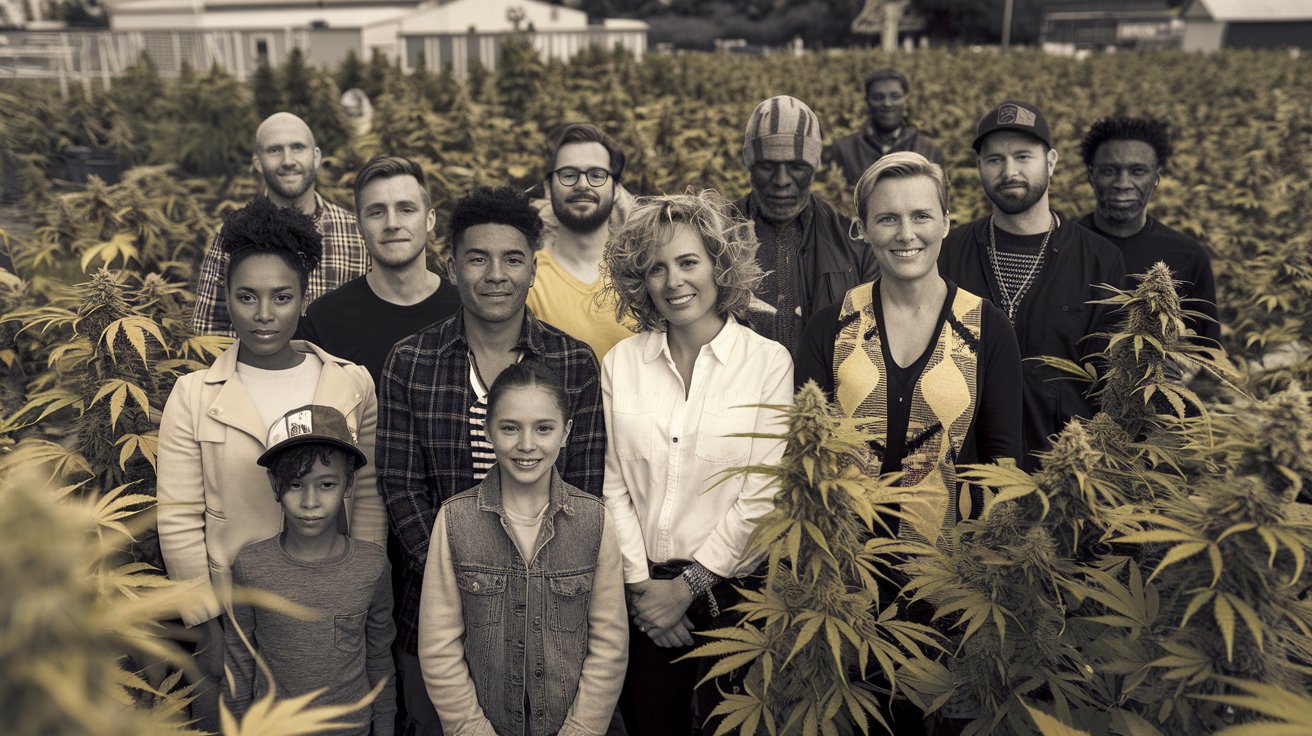
Cannabis Cultural Acceptance Growing Across America 2025
The landscape of cannabis cultural acceptance growing throughout the United States has transformed dramatically over the past decade. With 38 states now allowing medical cannabis use and 24 states permitting recreational consumption as of 2025, American attitudes toward cannabis have shifted from widespread stigma to mainstream acceptance. This cultural evolution reflects changing generational perspectives, increased awareness of therapeutic benefits, and growing economic opportunities within the cannabis industry.
The Evolution of Cannabis Stigma in American Society
The stigma surrounding cannabis has deep historical roots in American culture, largely stemming from the “Reefer Madness” era of the 1930s and subsequent decades of prohibition. This negative perception was reinforced through federal policies and cultural messaging that portrayed cannabis users as dangerous or immoral. However, recent years have witnessed a remarkable shift in public opinion, with cannabis cultural acceptance growing at an unprecedented rate across diverse demographics.
Modern research has debunked many misconceptions about cannabis use, revealing that the plant’s criminalization was often rooted in racial and economic motivations rather than scientific evidence. The cultural significance of cannabis is being reexamined through historical and anthropological lenses, acknowledging its use in various cultures for thousands of years as both medicine and spiritual practice.
Cultural Shifts and Increasing Public Awareness
The dramatic change in perception and cultural attitude towards cannabis reflects broader societal evolution in the United States. According to 2024 Gallup polling data, 70% of Americans now support cannabis legalization, representing a significant increase from just 12% in 1969. This shift demonstrates how social acceptance of cannabis has become a mainstream position rather than a fringe viewpoint.
Media representation has played a crucial role in normalizing cannabis use, with television shows, documentaries, and news coverage increasingly presenting balanced perspectives on the plant’s benefits and risks. The cannabis industry outlook for 2025 suggests continued growth in cultural acceptance, driven by increased education and positive real-world experiences in legalized states.
Media Influence on Cannabis Perception
Television programming and streaming platforms have significantly contributed to cannabis cultural acceptance growing by portraying users as diverse, successful individuals rather than stereotypical caricatures. Popular shows featuring cannabis themes have helped normalize consumption while addressing complex social issues surrounding legalization and regulation.
Celebrity and Public Figure Advocacy
High-profile endorsements from celebrities, athletes, and political figures have accelerated social acceptance of cannabis by providing mainstream visibility and credibility to the movement. These influential voices have helped reshape public discourse around cannabis use, emphasizing its therapeutic benefits and challenging outdated stereotypes.
Medicinal Value and Therapeutic Applications
The recognition of cannabis’s therapeutic applications has been instrumental in changing public perception and fostering greater acceptance. Medical cannabis programs across 38 states have demonstrated the plant’s efficacy in treating conditions ranging from chronic pain and epilepsy to PTSD and cancer-related symptoms. This medical legitimacy has provided a bridge for broader cannabis cultural acceptance growing throughout American society.
Research conducted at major universities and medical institutions has validated many traditional uses of cannabis while discovering new therapeutic potential. The cultural significance of cannabis as medicine is being rediscovered and integrated into modern healthcare approaches, leading to increased acceptance among healthcare professionals and patients alike.
Legalization and Regulatory Framework Impact
State-level legalization and regulation efforts have created controlled environments where cannabis can be studied, taxed, and consumed safely. These regulated markets have demonstrated that cannabis legalization doesn’t lead to the social chaos opponents predicted, instead generating significant tax revenue and reducing incarceration rates. The success of early adopter states has encouraged cannabis cultural acceptance growing in more conservative regions.
The patchwork of state laws creates a complex landscape where social acceptance of cannabis varies significantly by location. However, the overall trend toward legalization and regulation suggests that federal policy may eventually align with changing state and public attitudes, further accelerating cultural acceptance nationwide.
Economic Impact of Legal Cannabis Markets
Legal cannabis markets generated over $25 billion in sales during 2024, creating thousands of jobs and contributing significantly to state tax revenues. This economic success has helped legitimize the industry and demonstrate the benefits of regulation over prohibition, contributing to broader cultural acceptance.
Public Safety and Crime Reduction
Data from legalized states shows that cannabis regulation has not increased crime rates or public safety issues as opponents feared. Instead, many jurisdictions report decreased incarceration rates and improved police-community relations, supporting arguments for continued expansion of legal cannabis access.
Education and Information Dissemination
Comprehensive education and information dissemination programs have been crucial in promoting responsible use and addressing public concerns about cannabis legalization. State-sponsored campaigns focus on harm reduction, age restrictions, and safe consumption practices, helping to build trust and support for legal cannabis programs. This educational approach has significantly contributed to cannabis cultural acceptance growing among previously skeptical populations.
Academic institutions and research organizations now openly study cannabis without the restrictions that previously limited scientific inquiry. This increased research capacity has produced evidence-based information that helps counter misinformation and supports informed public discourse about the outlook for the cannabis industry in 2025 and beyond.
Changing Demographics and Generational Perspectives
The most significant driver of cannabis cultural acceptance growing is the generational shift in American demographics. Millennials and Generation Z demonstrate substantially higher support for cannabis legalization compared to older generations, with acceptance rates exceeding 80% among adults under 35. This demographic reality suggests that social acceptance of cannabis will continue increasing as younger generations comprise a larger portion of the electorate.
Older Americans are also changing their views, particularly as they witness successful implementation of legal cannabis programs and experience personal benefits from medical cannabis use. The cultural significance of cannabis is being reframed across all age groups as prohibition-era stigmas fade and evidence-based perspectives gain prominence.
Millennial and Gen Z Attitudes
Young adults who came of age during the early stages of cannabis legalization demonstrate fundamentally different attitudes toward the plant. Their perception of cannabis is shaped by legal access, regulated products, and scientific research rather than prohibition-era propaganda, leading to more nuanced and accepting viewpoints.
Senior Citizen Adoption Rates
Cannabis use among seniors has increased by over 300% since 2019, driven primarily by medical applications for pain management and sleep disorders. This demographic shift significantly impacts cannabis cultural acceptance growing by expanding support beyond traditional younger user bases.
Social and Cultural Influencers
Various social and cultural influencers have played pivotal roles in normalizing cannabis use and promoting acceptance across diverse communities. From social media personalities sharing their cannabis experiences to mainstream brands partnering with cannabis companies, cultural influence has accelerated the shift toward acceptance. These influencers help demonstrate that cannabis users represent all segments of society, challenging outdated stereotypes and promoting cannabis cultural acceptance growing organically.
Professional athletes, particularly in states with legal cannabis, have become powerful advocates for the plant’s therapeutic benefits. Their public endorsements and partnerships with cannabis companies have helped legitimize use among sports fans and fitness enthusiasts, expanding social acceptance of cannabis into previously conservative demographics.
Economic Opportunities and Job Creation
The cannabis industry has created over 400,000 jobs nationwide as of 2024, spanning cultivation, manufacturing, retail, testing, and ancillary services. These economic opportunities have transformed entire communities and provided legitimate career paths for individuals previously involved in illicit markets. The industry’s rapid growth and high-paying jobs have contributed significantly to cannabis cultural acceptance growing by demonstrating tangible economic benefits.
Small businesses and entrepreneurs have found success in cannabis-adjacent industries, from specialized software development to packaging and marketing services. This broad economic ecosystem helps normalize cannabis as a legitimate industry sector, supporting broader cultural acceptance and contributing to positive outlook for the cannabis industry in 2025.
Entrepreneurship and Small Business Growth
Cannabis legalization has created opportunities for small business entrepreneurs to enter emerging markets with innovative products and services. These success stories help demonstrate the industry’s potential for creating wealth and supporting local communities, contributing to broader cultural acceptance.
Corporate Investment and Legitimacy
Major corporations including beverage companies, pharmaceutical manufacturers, and retail chains have invested billions in cannabis companies, lending institutional credibility to the industry. This corporate involvement signals mainstream acceptance and helps normalize cannabis in business and investment communities.
The Role of Social Equity Programs
Social equity programs designed to address the disproportionate impact of cannabis prohibition on minority communities have become central to legalization efforts. These programs prioritize licenses and resources for individuals and communities most harmed by the War on Drugs, helping to repair historical injustices while building broader coalition support for legalization. The emphasis on social equity has enhanced cannabis cultural acceptance growing by addressing concerns about fairness and justice.
Community leaders and social justice advocates who previously opposed cannabis legalization now support reform efforts that include meaningful equity provisions. This coalition-building approach has expanded support for cannabis policy reform beyond traditional advocacy groups, creating a more diverse and powerful movement for change that enhances social acceptance of cannabis across racial and socioeconomic lines.
Related video about cannabis cultural acceptance growing
This video complements the article information with a practical visual demonstration.
Everything you need to know about cannabis cultural acceptance growing
How has the perception and cultural attitude towards cannabis changed over the years?
Cannabis perception has shifted dramatically from widespread stigma to mainstream acceptance, with 70% of Americans now supporting legalization compared to just 12% in 1969. This change reflects generational shifts, medical research validating therapeutic benefits, successful state legalization programs, and increased media representation showing diverse, successful cannabis users rather than harmful stereotypes.
What is the social acceptance of cannabis in the United States today?
Social acceptance of cannabis has reached unprecedented levels, with majority support across most demographic groups. Millennials and Gen Z show over 80% support for legalization, while even senior citizens increasingly embrace medical cannabis use. The normalization is evident in mainstream media, corporate investments, and the creation of regulated markets in 24 states.
What is the cultural significance of cannabis in American society?
Cannabis cultural significance has evolved from criminalized substance to recognized medicine and legitimate industry. It represents social justice reform, generational change, and economic opportunity while challenging historical prejudices. The plant’s integration into healthcare, wellness culture, and mainstream business demonstrates its growing importance in American society and culture.
What is the outlook for the cannabis industry in 2025?
The cannabis industry outlook for 2025 remains extremely positive, with continued state-level legalization expected and potential federal policy reforms. Market projections suggest continued growth beyond $25 billion annually, with expanding job creation, increased corporate investment, and broader cultural acceptance driving sustained expansion across therapeutic, recreational, and wellness applications.
Which factors drive cannabis cultural acceptance growing in America?
Key drivers include successful medical cannabis programs demonstrating therapeutic value, generational demographic shifts with younger Americans showing high support rates, positive economic impacts in legalized states, celebrity and media influence normalizing use, evidence-based research debunking prohibition myths, and social equity programs addressing historical injustices while building broader coalition support.
How do state legalization programs impact national cannabis acceptance?
State legalization programs serve as real-world laboratories demonstrating that regulated cannabis markets don’t cause predicted social problems while generating significant tax revenue and jobs. Success stories from early adopter states like Colorado, Washington, and California provide evidence that influences public opinion in non-legal states, accelerating cultural acceptance and political support for reform nationwide.
| Key Acceptance Factor | Current Status 2025 | Cultural Impact |
|---|---|---|
| Public Support | 70% of Americans support legalization | Mainstream political acceptance |
| Medical Recognition | 38 states allow medical use | Healthcare legitimacy |
| Economic Impact | $25+ billion market, 400,000 jobs | Business community acceptance |
| Generational Shift | 80% support among under-35 demographics | Long-term cultural transformation |
| Social Equity | Programs in 18+ states | Justice reform coalition building |