What Does THC Percentage Mean? Complete Guide 2025
Understanding THC percentage is crucial for cannabis consumers, but many people misinterpret what these numbers actually represent. THC percentage indicates the concentration of tetrahydrocannabinol in cannabis products, measured as a percentage of the total weight. However, higher THC levels don’t always guarantee stronger effects or better quality cannabis.
What THC Percentage Actually Tells You
The THC percentage represents the amount of tetrahydrocannabinol present in cannabis by weight, typically ranging from 5% to 35% in flower products. This measurement tells you the concentration of the primary psychoactive compound but doesn’t provide the complete picture of a product’s effects. In 2024, the average THC level in legal U.S. cannabis flower ranges from 15% to 25%, significantly higher than the 3-4% levels found in cannabis from the 1990s.
Many consumers assume that higher THC percentages automatically mean more potent effects, but this oversimplification ignores other crucial factors. The percentage only measures one cannabinoid among over 100 compounds found in cannabis, and it doesn’t account for terpenes, other cannabinoids, or individual tolerance levels that significantly impact the overall experience.
THC Testing Methods and Accuracy
Cannabis testing laboratories use High-Performance Liquid Chromatography (HPLC) or Gas Chromatography (GC) to determine THC levels. These methods analyze decarboxylated THC, which is the active form that produces psychoactive effects. However, testing inconsistencies between labs can result in variance of up to 20% for the same sample, making exact THC percentages somewhat unreliable as the sole indicator of quality.
Legal THC Limits in the United States
Federal law requires hemp products to contain less than 0.3% THC by dry weight, while state-legal cannabis products can contain much higher levels. In states like California and Colorado, cannabis flower commonly tests between 20-30% THC, with some premium strains reaching 35% or higher. These legal thresholds help consumers understand product categories and compliance requirements.
THC Percentage Chart and Classifications
Understanding THC level classifications helps consumers make informed decisions about cannabis products. Low-THC products (5-10%) are ideal for beginners or those seeking mild effects, while moderate levels (10-20%) provide balanced experiences for regular users. High-THC products (20-30%+) are typically preferred by experienced consumers or those with higher tolerance levels.
The classification system varies slightly across different product types. Cannabis concentrates like shatter or wax typically range from 60-90% THC, while edibles are measured in milligrams per serving rather than percentages. Vape cartridges usually contain 70-85% THC, making them significantly more potent than flower products.
THC Levels in Different Cannabis Products
Cannabis flower typically contains 15-25% THC on average, with premium strains reaching 30%+ in legal dispensaries. Concentrates like live resin and rosin contain 60-80% THC, while distillates can reach 90%+ purity. Edibles are measured differently, with typical doses ranging from 2.5-10mg THC per serving, regardless of the percentage in the source material.
High-Grade THC Standards
In the current U.S. legal market, high-grade cannabis is generally considered to have 20%+ THC content, though this threshold continues to rise as cultivation techniques improve. Premium dispensary products often feature 25-35% THC, while anything above 30% is typically considered top-shelf. However, many experienced consumers and budtenders emphasize that terpene profiles and overall cannabinoid balance matter more than peak THC numbers.
Why THC Percentage Doesn’t Equal Potency
The relationship between THC percentage and potency is more complex than simple mathematics suggests. Research published in 2024 demonstrates that cannabis with 15% THC can produce stronger effects than products with 25% THC, depending on the presence of other compounds. This phenomenon occurs because cannabis effects result from the interaction of multiple cannabinoids, terpenes, and flavonoids working together.
Individual factors also play crucial roles in how THC affects each person. Body weight, metabolism, tolerance levels, consumption method, and even meal timing can significantly impact how THC is processed. A person’s endocannabinoid system receptors vary in sensitivity and density, meaning identical THC percentages can produce vastly different experiences between users.
The Entourage Effect and Cannabinoid Profiles
The entourage effect describes how cannabis compounds work synergistically to produce effects greater than the sum of their parts. CBD, CBG, CBN, and other cannabinoids modulate THC’s effects, potentially reducing anxiety while enhancing therapeutic benefits. Cannabis with 18% THC and 2% CBD often provides more balanced effects than products with 25% THC and no CBD content.
Terpene Influence on THC Effects
Terpenes significantly modify how THC percentage translates to actual effects experienced by consumers. Myrcene enhances THC’s sedating properties, while limonene can increase alertness and mood elevation. Pinene may help counteract THC-induced memory impairment, demonstrating that terpene profiles are equally important as cannabinoid percentages for predicting effects.
THC Percentage Calculator and Dosing Guidelines
Calculating appropriate THC doses requires considering the product type, consumption method, and individual tolerance. For flower products, multiply the weight in grams by the THC percentage to determine total THC content. A 1-gram joint with 20% THC contains approximately 200mg of THC, though only 10-25% typically reaches the bloodstream through smoking.
Dosing guidelines vary significantly between consumption methods. Smoking or vaping provides immediate effects lasting 1-3 hours, while edibles take 30-120 minutes to onset but can last 4-8 hours. New users should start with 2.5-5mg for edibles or small puffs for inhalation methods, regardless of the product’s total THC percentage.
THC Levels and Legal Considerations
Understanding THC levels is crucial for legal compliance and safety, especially regarding impaired driving laws. Most states have established legal limits for THC in blood or saliva, typically ranging from 1-5 nanograms per milliliter. However, these limits don’t correlate directly with impairment levels, as THC can remain detectable long after effects subside.
Workplace drug testing policies often have zero-tolerance approaches to THC detection, regardless of legal status in your state. Cannabis with any detectable THC can result in positive drug tests for days or weeks after consumption, depending on usage frequency and individual metabolism. Understanding these implications is essential for responsible cannabis use.
Blood THC Levels and Impairment
Blood THC level charts show that peak concentrations occur within minutes of smoking, reaching 50-200ng/mL before rapidly declining. However, impairment doesn’t correlate linearly with blood levels, as chronic users may have higher baseline levels while showing less impairment than occasional users with lower concentrations. This complexity makes THC blood testing controversial for determining actual impairment.
State-by-State THC Legal Limits
Legal THC thresholds vary significantly across U.S. states, with some setting limits as low as 1ng/mL and others allowing up to 5ng/mL for driving purposes. States like Washington and Colorado have established 5ng/mL limits, while others rely on officer observations of impairment rather than specific numerical thresholds. Understanding your local laws is essential for legal compliance.
How to Choose Cannabis Based on More Than THC
Selecting quality cannabis requires looking beyond THC percentage to evaluate the complete cannabinoid and terpene profile. Examine lab test results for the presence of CBD, CBG, and other beneficial compounds that enhance the overall experience. Look for products with diverse terpene profiles, as these aromatic compounds significantly influence effects and therapeutic potential.
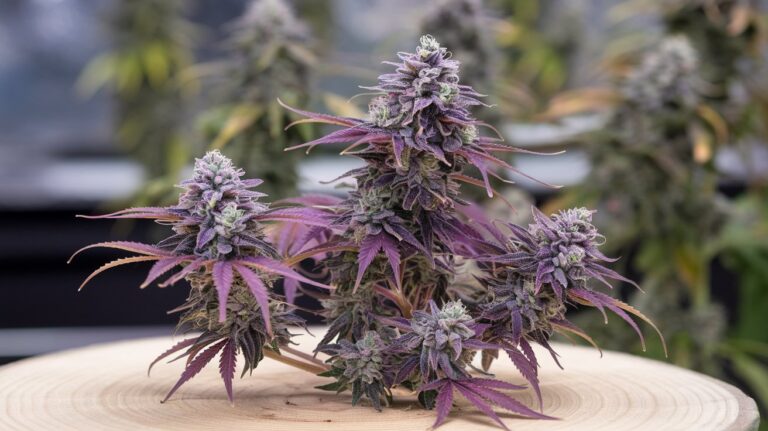
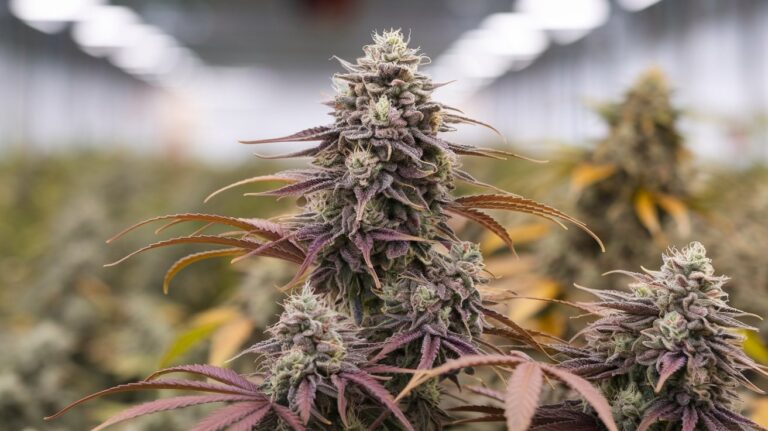
Visual inspection remains important for good cannabis selection, regardless of THC content. Fresh, properly cured cannabis should have vibrant colors, visible trichomes, and strong aromatic profiles. Avoid products with excessive stems, seeds, or brown coloration, as these indicate poor quality that no amount of THC can overcome.
Reading Cannabis Lab Reports
Comprehensive lab reports provide detailed breakdowns of cannabinoid percentages, terpene profiles, and contaminant testing results. Look for reports that include moisture content, pesticide screening, and heavy metals testing in addition to cannabinoid analysis. These documents offer far more valuable information than THC percentage alone for making informed purchasing decisions.
Strain Selection Beyond THC Numbers
Choosing cannabis strains based on desired effects rather than maximum THC content often leads to more satisfying experiences. Indica-dominant strains with moderate THC (15-20%) and high myrcene content may provide better relaxation than sativa strains with 25%+ THC. Consider your intended use, time of consumption, and personal preferences when selecting products.
Related video about THC percentage means what
This video complements the article information with a practical visual demonstration.
Questions & Answers
What does THC percentage tell you?
THC percentage indicates the concentration of tetrahydrocannabinol in cannabis by weight, typically ranging from 5-35% in flower products. However, it only measures one compound and doesn’t account for terpenes, other cannabinoids, or individual factors that significantly impact effects. Higher percentages don’t automatically guarantee stronger experiences.
What is considered a high THC percentage?
In 2024-2025, cannabis with 20%+ THC is generally considered high, while 25-35% is premium grade. However, anything above 15% can produce strong effects for inexperienced users. Concentrates typically range 60-90% THC, making them significantly more potent than flower products.
Is 80 percent THC strong?
Yes, 80% THC is extremely strong and typically found in cannabis concentrates like distillates or shatter. This level is 3-4 times more potent than high-grade flower and should only be used by experienced consumers. New users should start with much lower concentrations and gradually increase as tolerance develops.
What is a good THC percentage for vapes?
Most quality vape cartridges contain 70-85% THC, which provides consistent and potent effects. For beginners, look for cartridges with balanced CBD content or lower THC concentrations around 60-70%. Experienced users often prefer 80%+ THC cartridges, but effects depend on individual tolerance and consumption habits.
Does THC percentage determine quality?
No, THC percentage alone doesn’t determine cannabis quality. Factors like terpene profiles, curing methods, cultivation practices, and overall cannabinoid balance are equally important. Many experienced users prefer products with moderate THC levels and diverse terpene profiles over high-THC products with limited complexity.
How accurate are THC percentage tests?
THC testing can vary by up to 20% between different laboratories due to inconsistent methodologies and standards. While generally reliable for relative comparisons, exact percentages shouldn’t be considered absolute measurements. Focus on ranges and relative potency rather than precise numerical values when making purchasing decisions.
| THC Level Category | Percentage Range | Best For |
|---|---|---|
| Low THC | 5-10% | Beginners, microdosing |
| Moderate THC | 10-20% | Regular users, balanced effects |
| High THC | 20-30% | Experienced users, strong effects |
| Premium THC | 30%+ | High tolerance, connoisseurs |