Medical vs Recreational Cannabis Pricing: 2025 Cost Guide
The price difference between medical and recreational cannabis varies significantly across states, with medical patients typically saving 15-40% on their purchases. Understanding these pricing disparities helps consumers make informed decisions about obtaining medical cards versus purchasing from recreational dispensaries in 2025.
Key Price Differences Between Medical and Recreational Cannabis
The medical vs recreational pricing gap stems primarily from taxation differences and regulatory structures. Medical cannabis typically faces lower tax rates, with states like California imposing a 7.25% sales tax on medical versus up to 40% total taxes on recreational products. This translates to substantial savings for patients with qualifying conditions.
In states like Massachusetts, medical patients save approximately $200-400 annually compared to recreational users. The price differential becomes more pronounced with higher consumption volumes, making medical cards particularly valuable for patients requiring regular cannabis therapy for chronic conditions.
Taxation Impact on Cannabis Pricing
Tax structures create the most significant difference between medical and recreational cannabis costs. Recreational cannabis faces excise taxes, state sales taxes, and local municipality taxes that can exceed 30% in total. Medical cannabis typically enjoys reduced or eliminated excise taxes, with many states exempting medical purchases from certain taxation layers entirely.
State-by-State Price Variations
The price difference between medical and recreational Massachusetts averages $50-80 per ounce, while Ohio shows similar patterns with medical patients saving 25-35% on average purchases. Colorado maintains one of the smallest gaps due to mature markets, though medical patients still benefit from lower taxes and priority access during supply shortages.
Medical Cannabis Card Benefits Beyond Pricing
Medical cardholders access exclusive medical-only cannabis dispensaries that often maintain higher quality standards and specialized product offerings. These facilities focus on therapeutic applications rather than recreational experiences, providing detailed cannabinoid profiles and dosing guidance from trained medical staff.
Medical patients enjoy higher possession limits compared to recreational users. In New York, medical patients can possess up to a 60-day supply versus the 3-ounce recreational limit. This allows bulk purchasing opportunities that further reduce per-gram costs through quantity discounts.
Priority Access and Product Availability
During supply shortages or high-demand periods, medical vs recreational dispensary protocols prioritize medical patients. This ensures consistent access to necessary medications while recreational users may face stock limitations or longer wait times during peak shopping periods.
Insurance and HSA Eligibility Considerations
Some states explore insurance coverage for medical cannabis, while HSA and FSA accounts may accept medical cannabis expenses in specific circumstances. These potential reimbursement options create additional medical vs recreational cost advantages that extend beyond point-of-sale pricing differences.
Potency and Product Quality Comparisons
The medical vs recreational potency landscape varies by state regulations and market maturity. Medical cannabis often undergoes more rigorous testing requirements, ensuring consistent cannabinoid profiles and contaminant-free products. This quality assurance justifies premium pricing in some markets while providing better therapeutic outcomes.
Medical dispensaries frequently stock higher-CBD products and specialized formulations unavailable in recreational markets. These therapeutic-focused products address specific medical conditions with precise dosing options, creating value beyond simple THC potency measurements that dominate recreational preferences.
Laboratory Testing Standards
Medical cannabis products typically face more comprehensive testing protocols, including pesticide screening, heavy metal detection, and microbial analysis. This enhanced quality control ensures patient safety while potentially increasing production costs that medical pricing structures must accommodate.
Specialized Medical Formulations
Medical dispensaries offer unique product categories like suppositories, sublingual strips, and precisely-dosed capsules unavailable in recreational markets. These specialized medical formulations command higher prices but provide targeted therapeutic delivery methods for specific patient needs.
Home Cultivation vs Dispensary Purchasing
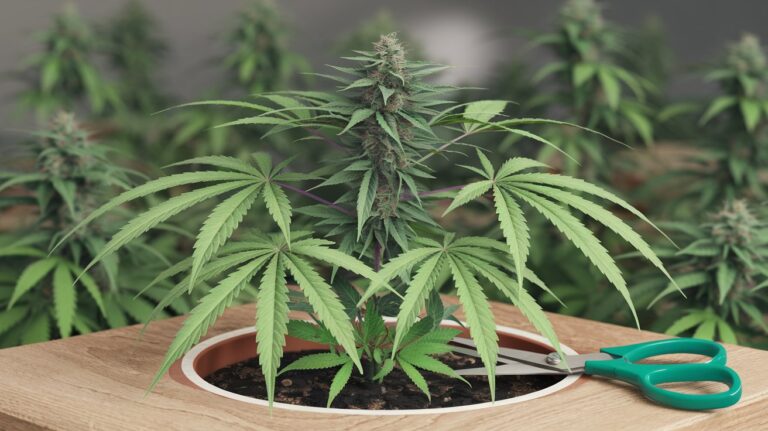
The homegrown vs medical cost comparison reveals significant long-term savings potential for patients in cultivation-legal states. Initial setup costs range from $500-2000, but mature plants can produce 2-6 ounces per harvest, dramatically reducing per-gram costs compared to dispensary purchases.
However, home cultivation requires substantial time investment, specialized knowledge, and appropriate growing space. Many medical patients prefer dispensary convenience despite higher costs, valuing consistent product availability and professional quality control over potential savings from personal cultivation efforts.
2025 Market Trends and Future Pricing Predictions
Cannabis market maturation continues reducing overall pricing across both medical and recreational segments. Industry analysts predict medical vs recreational pricing gaps will narrow as recreational markets mature and achieve economies of scale. However, tax differentials will likely maintain some price advantage for medical patients.
Federal rescheduling discussions could dramatically impact pricing structures, potentially allowing medical cannabis to qualify for standard business tax deductions while maintaining recreational cannabis penalties. This regulatory shift could widen the medical pricing advantage while reducing overall costs for both market segments.
Supply Chain Developments
Vertical integration trends among cannabis companies create pricing efficiencies that benefit both medical and recreational consumers. Companies controlling cultivation, processing, and retail operations can optimize costs while maintaining quality standards across their product portfolios.
Interstate Commerce Impact
As interstate cannabis commerce develops, regional price disparities should decrease through competition and supply chain optimization. Medical patients in high-cost states may benefit most from increased competition and improved product availability through interstate trade agreements.
Cost-Benefit Analysis for Medical Card Acquisition
Medical card acquisition costs typically range from $100-300 annually, including doctor consultations and state registration fees. For consumers spending $200+ monthly on cannabis, the medical vs recreational savings easily justify card expenses. Heavy users can recoup card costs within the first month through tax savings alone.
Beyond direct cost savings, medical cards provide legal protections, workplace accommodations in some states, and access to higher possession limits. These additional benefits create value propositions that extend beyond simple pricing comparisons between medical and recreational cannabis markets.
Related video about medical vs recreational pricing
This video complements the article information with a practical visual demonstration.
Your questions answered
What is the average price difference between medical and recreational cannabis?
Medical cannabis typically costs 15-40% less than recreational products due to reduced taxation. The exact savings vary by state, with Massachusetts showing $50-80 per ounce differences and California offering similar percentage savings through lower tax rates.
Do medical patients get higher potency cannabis products?
Medical patients access specialized high-potency formulations and CBD-dominant products often unavailable recreationally. While THC limits may be similar, medical dispensaries focus on therapeutic potency profiles rather than just high-THC recreational preferences.
Is it worth getting a medical card just for pricing benefits?
For consumers spending $200+ monthly on cannabis, medical cards typically pay for themselves within 1-2 months through tax savings. Additional benefits include higher possession limits, priority access, and legal protections that provide value beyond pricing.
How do medical cannabis taxes differ from recreational taxes?
Medical cannabis faces reduced or eliminated excise taxes in most states. Recreational products often carry 20-40% total tax burdens including excise, sales, and local taxes, while medical purchases may only face standard sales tax rates of 6-10%.
Can I use insurance or HSA funds for medical cannabis?
Currently, most insurance plans don’t cover medical cannabis due to federal scheduling. However, some HSA/FSA providers accept medical cannabis expenses in specific states, and pilot insurance programs are being tested in select markets for 2025.
What states have the biggest medical vs recreational price differences?
States with highest recreational tax rates show the largest gaps. Massachusetts, New York, and Illinois demonstrate significant medical savings of 25-40%, while mature markets like Colorado and California show smaller 15-25% differences due to market competition.
| Price Factor | Medical Cannabis | Recreational Cannabis |
|---|---|---|
| Average Tax Rate | 6-10% (sales tax only) | 20-40% (multiple taxes) |
| Monthly Savings | $50-150 for regular users | Higher costs due to taxes |
| Product Access | Specialized medical formulations | Limited to recreational products |
| Possession Limits | 60-90 day supply | 1-3 ounce limits |
| Quality Standards | Enhanced testing requirements | Standard market testing |